 EN
EN fr
fr ha
ha nl
nl ru
ru hi
hi be
be he
he ar
ar az
az af
af vi
vi ja
ja th
th tr
tr de
de pt
pt es
es it
it sq
sq ko
ko tg
tg ky
ky rw
rw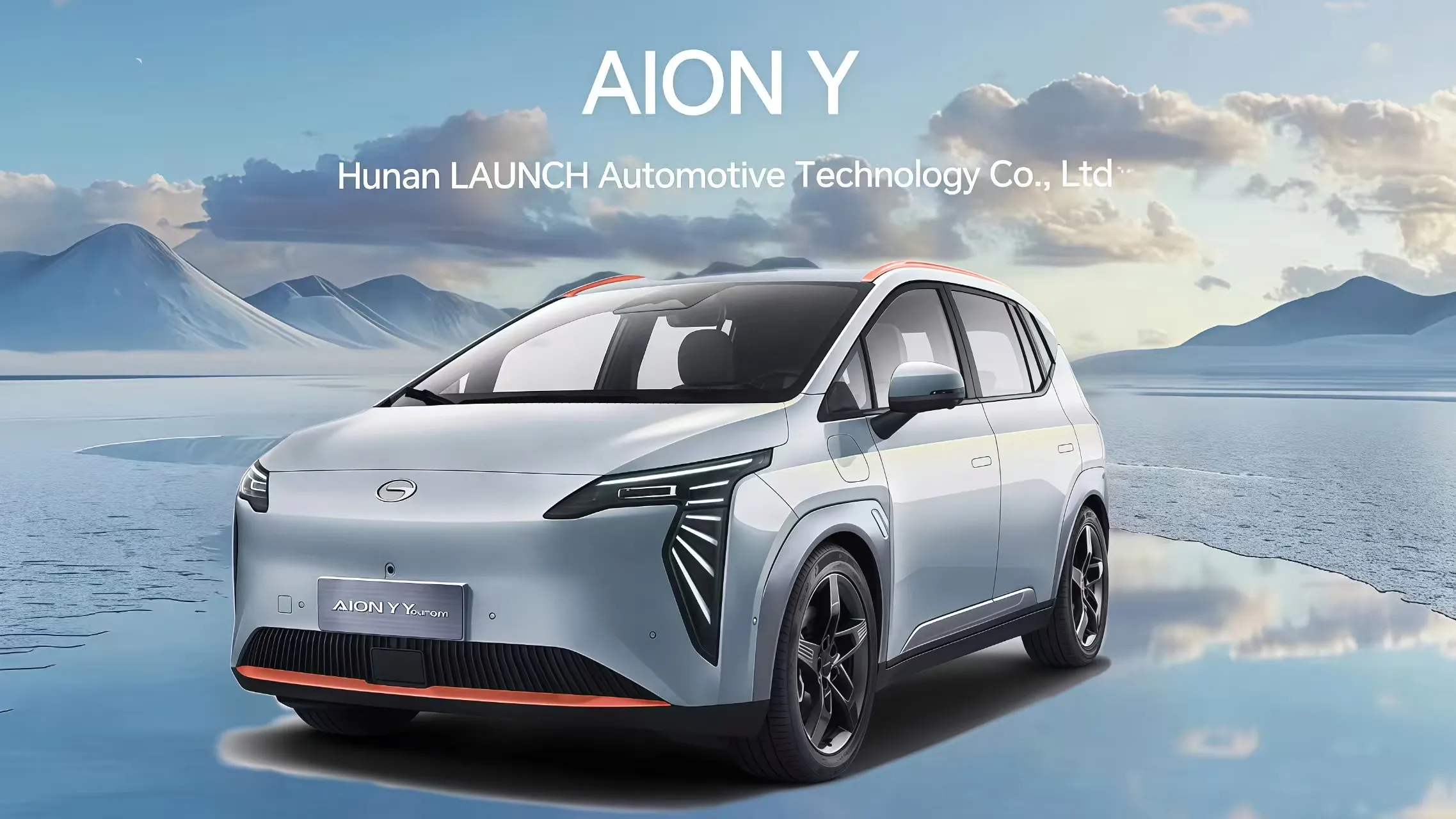
GAC New Energy Vehicle: Import and Sourcing Guide for Global EV Buyers
GAC New Energy Vehicle sourcing is no longer a side topic for EV importers. GAC's AION and HYPTEC lineups are becoming more visible outside China, and buyers who once focused only on BYD, Geely, or Chery are now asking whether GAC AION models can work for dealer inventory, fleet use, taxi platforms, and family SUV demand.
The opportunity is real, but it needs careful handling. A good GAC new energy vehicle order is not built from a model name and a price screenshot. Buyers need to confirm version, battery data, range standard, charging interface, steering side, export documents, local registration path, warranty terms, and supplier support before money moves.
What does GAC New Energy Vehicle mean for importers?
In export sourcing, GAC New Energy Vehicle usually refers to electric and electrified models connected with GAC's AION and HYPTEC product lines. AION is widely used for mainstream EV models such as compact SUVs, sedans, and family vehicles, while HYPTEC targets more premium electric mobility segments in some markets.
For importers, the wording matters because vehicle names can change by region. A model sold in China may have a different trim package, charging connector, language setup, or official range figure than a version sold through an overseas distributor. Do not treat "GAC AION" as a complete specification. Treat it as the start of a specification conversation.
Why GAC AION is attracting overseas EV buyers
GAC has been expanding its new energy vehicle presence into overseas markets, including Middle East markets where GAC announced AION and HYPTEC model introductions. That wider international push gives importers more confidence that GAC is not only a domestic China EV story.
For B2B buyers, the attraction is practical. Many markets need electric vehicles that balance purchase price, interior space, range, safety equipment, and after-sales feasibility. GAC AION models, especially SUVs and sedans, sit in the part of the EV market where dealers and fleets can often build repeat demand.
How Hunan Launch fits into GAC EV sourcing
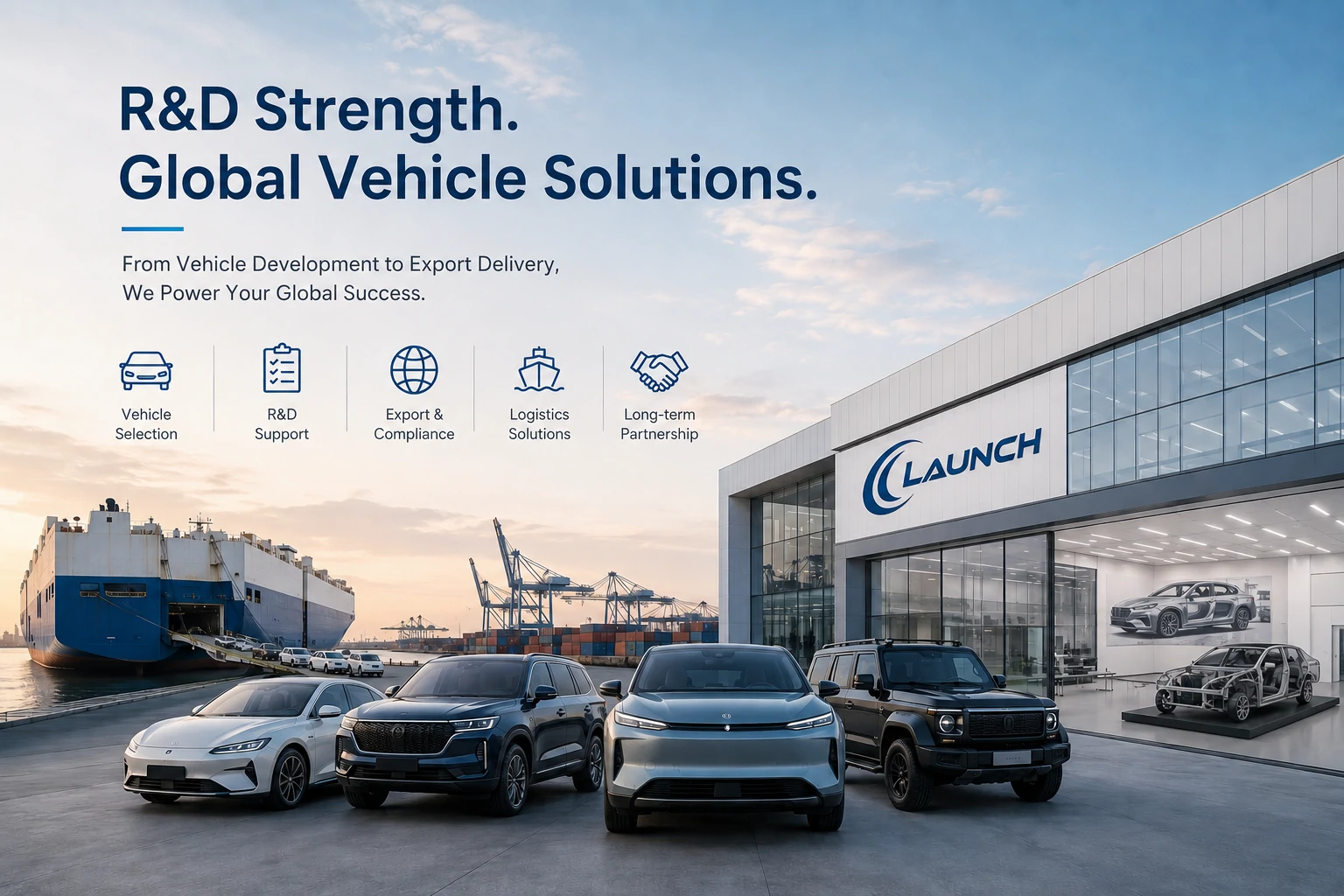
For overseas buyers interested in sourcing GAC EV models such as AION, working with an experienced export and supply chain partner can simplify the purchasing process. Hunan Launch Automotive Technology Co., Ltd. positions ourselves as a China vehicle exporter and automotive supply chain service provider, offering access to both new and used vehicles across Electric, Hybrid, and Gasoline/Diesel categories. Its vehicle portfolio includes AION alongside a wide range of Chinese and international brands, giving buyers more flexibility when comparing models and procurement options.
Hunan Launch was established in Zhuzhou, Hunan, in 2016 and is wholly owned by Shanghai LAUNCH Automotive Design Co., Ltd. We highlights our vehicle sourcing network, export experience, logistics coordination, and after-sales support resources designed to assist international customers throughout the procurement process. For importers, distributors, fleet operators, and automotive dealers, these services can help streamline vehicle selection, documentation, shipping, and delivery management.
Which GAC new energy vehicle models should buyers compare?
The right GAC EV depends on the market. A family SUV may sell well in one country, while a sedan works better for ride-hailing in another. Some buyers need left-hand drive. Others need right-hand drive. Some markets care most about range; others care more about spare parts, service simplicity, and financing price.
| Buyer scenario | Likely GAC NEV fit | What to check first |
|---|---|---|
| Dealer inventory for family buyers | AION SUV or crossover models | Cabin space, trim level, infotainment language, charging connector, warranty support |
| Taxi or ride-hailing fleet | Efficient sedan or compact SUV models | Real-world energy use, battery warranty, seat durability, service parts, charging downtime |
| Premium EV showroom | HYPTEC or higher-trim AION models | ADAS availability, interior package, software functions, market positioning |
| Government or corporate fleet | Stable, easy-service EV configuration | Compliance documents, spare parts plan, maintenance training, delivery schedule |
| Price-sensitive import program | New old-stock or carefully inspected used EVs | Mileage, battery condition, accident history, export documents, landed cost |
Specification checks before buying a GAC new energy vehicle
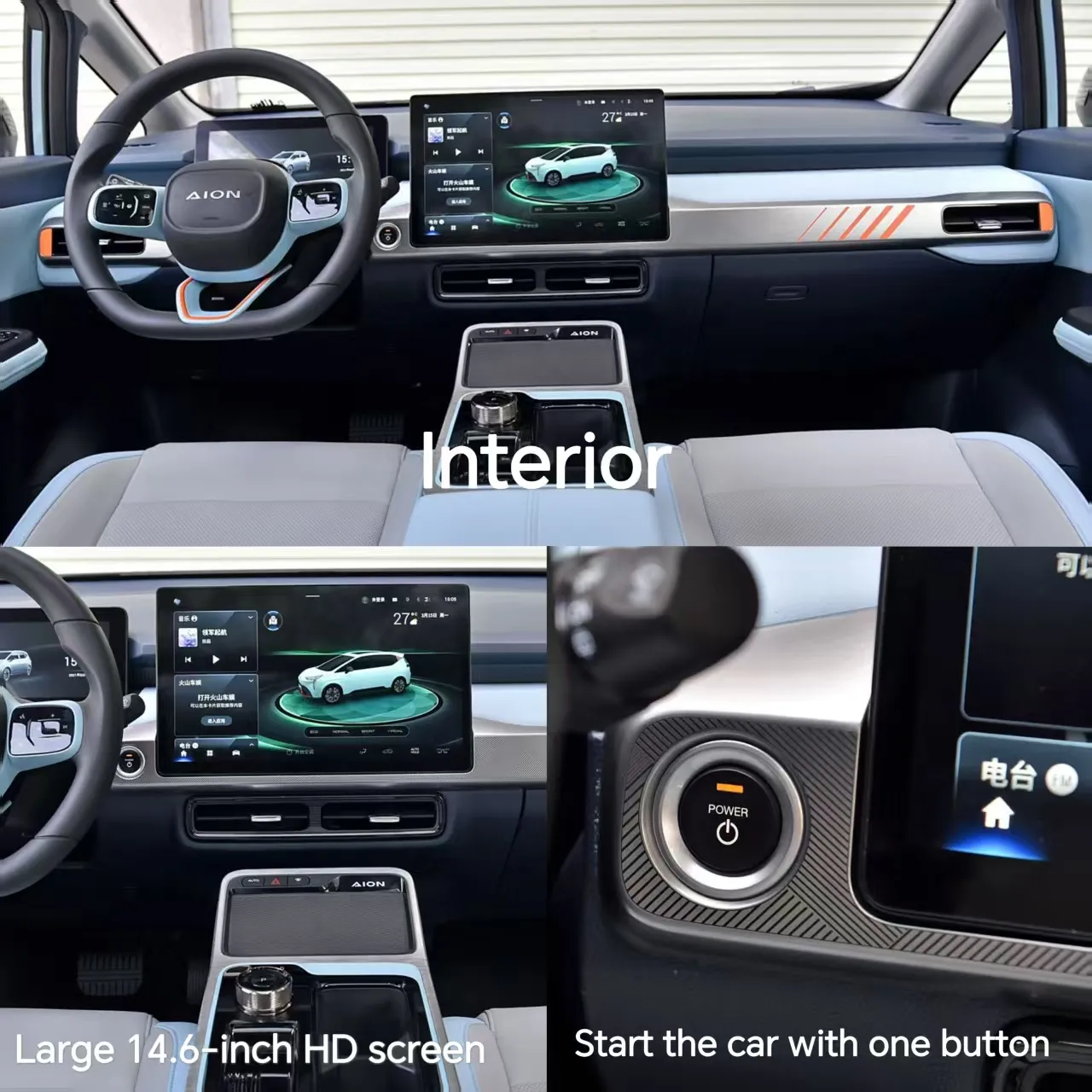
EV listings often emphasize range and price. Those are important, but they are not enough for a B2B purchase. A buyer importing ten, fifty, or one hundred units needs a full specification check because small mismatches can become expensive after customs clearance.
- Confirm the exact model year, trim, battery capacity, motor power, and drivetrain.
- Check the range standard behind the number: CLTC, NEDC, WLTP, or a local-market figure.
- Verify charging port type, AC charging power, DC fast charging support, cable, and adapter needs.
- Confirm left-hand drive or right-hand drive availability for the target country.
- Review infotainment language, navigation availability, connected services, and app limitations outside China.
- Check safety and ADAS functions by trim, not by model family.
- Ask for VIN-level details, photos, inspection video, and battery health information for used units.
- Confirm invoice, packing list, export declaration, certificate documents, and shipping terms before deposit.
New vs used GAC EVs: where the risk changes
New GAC new energy vehicles are usually easier for dealer retail and fleet deployment because mileage, warranty expectations, and customer presentation are cleaner. They may also be easier to finance and market. The tradeoff is price and availability.
Used or nearly new GAC EVs can make sense when the buyer's market is highly price-sensitive. Still, the inspection burden is heavier. Mileage, battery condition, accident repair, tire wear, charging port condition, interior wear, software region, and missing accessories all need to be checked before shipment. A cheap unit can become expensive fast if the battery, screen, charging system, or bodywork has a hidden problem.
Documents and compliance questions to solve early
Every destination market has its own rulebook. Some markets require specific steering side, lighting, homologation documents, customs codes, safety inspections, or local charging compatibility. These questions should be handled before the order is locked, not after vehicles are already moving to port.
| Document or issue | Why it matters | Buyer action |
|---|---|---|
| Commercial invoice and packing list | Core documents for customs clearance | Match VIN, buyer name, value, currency, and vehicle description |
| Certificate or origin documents | May affect customs, tax, or registration | Confirm requirements with a local broker before payment |
| VIN list and inspection media | Protects the buyer from unit substitution | Request photos, video, and VIN confirmation before final balance |
| EV shipping requirements | Battery state of charge and carrier rules can affect shipment | Confirm port rules, shipping line acceptance, and SOC requirements |
| Local registration pathway | A vehicle that cannot register is not saleable inventory | Check with the destination transport authority or homologation consultant |
How to compare supplier quotations
Two quotations for the same GAC model may not describe the same vehicle. One may include a higher trim, export handling, inland transport, inspection, or better documents. The other may be only an ex-stock price with unclear delivery terms.
Ask each supplier to quote in the same format: model, trim, year, color, mileage, battery capacity, range standard, steering side, charging port, EXW/FOB/CIF terms, delivery time, inspection process, documents included, and payment schedule. If the supplier cannot answer those questions clearly, the low price is not as low as it looks.
Why Launch can be useful for multi-brand EV sourcing
One advantage of using a China car exporter such as Hunan Launch is model comparison. The homepage lists many makes beyond AION, including BYD, Changan, Chery, Dongfeng, Geely, Hongqi, Xpeng, Zeekr, and others. That helps buyers compare GAC new energy vehicles against competing EVs in the same size and price range.
This matters in real procurement. If a target GAC trim is out of stock, delayed, or not ideal for the destination market, a supplier with broad access can propose alternatives instead of forcing a weak match. For importers, that flexibility can protect the sales plan.
Questions to ask before placing a GAC EV order
- Is the vehicle new, used, demo, or new old stock?
- Can you provide current photos or video of the exact unit?
- What is the model year and production date?
- Which range standard is shown in the quotation?
- Does the charging port match my destination market?
- What documents are included and which documents cost extra?
- Can you support spare parts, diagnostic guidance, or after-sales communication?
- What happens if the quoted stock unit sells before my deposit arrives?
FAQ
Is GAC AION the same as GAC New Energy Vehicle?
In many export conversations, buyers use "GAC New Energy Vehicle" to refer to GAC AION electric models. GAC's NEV activity also includes HYPTEC and other market-specific product lines, so it is better to confirm the exact brand, model, and trim before ordering.
Can Hunan Launch source GAC AION vehicles?
Hunan Launch lists AION among the searchable makes on its website and positions itself as a China car exporter. Buyers should send a detailed inquiry with model, trim, year, steering side, quantity, and destination market so the supplier can confirm availability and documents.
What is the biggest risk when importing GAC EVs?
The biggest risk is usually not the vehicle brand. It is mismatch: wrong trim, wrong charging interface, unclear range standard, missing documents, or a vehicle that cannot be registered locally. A careful pre-order checklist prevents most of these problems.
Should I buy new or used GAC new energy vehicles?
New vehicles are cleaner for retail, financing, and fleet launches. Used vehicles can reduce purchase cost, but they need stronger inspection, battery checks, mileage verification, and clear photos before shipment.
How should I start a quotation request?
Start with the destination country, quantity, preferred model, acceptable alternatives, budget range, steering side, required documents, and shipping port. If you are not sure which GAC model fits, ask the supplier to compare options by use case.
Request a GAC New Energy Vehicle sourcing quote
If you are comparing GAC AION models or other Chinese new energy vehicles for dealer inventory, fleet deployment, or import distribution, Hunan Launch can help review available stock, version details, documents, and shipping options before quotation.
[Contact us for your quotations]
Final takeaway
GAC New Energy Vehicle sourcing can be a strong route for buyers who want Chinese EV options with growing international visibility. The smart move is to treat every quote as a technical and commercial checklist: verify the vehicle, verify the documents, verify the market fit, and work with a supplier that can answer questions after the first invoice is paid.
Hot News

Nissan and Infiniti recall 1.2 million vehicles
November 28, 2023
Best Wholesale Cars From China for Your Business
February 03, 2026

Discover Cheap Cars for Import From China
February 09, 2026
Bulk Purchase Benefits of Chinese Vehicles Explained
February 19, 2026
Bulk Car Suppliers in China: What You Need to Know
February 23, 2026
Wholesale Car Sales Growth in China's Vehicle Market
March 30, 2026
Industry information
Nissan and Infiniti recall 1.2 million vehicles
November 28, 2023

2023 BMW i7 Review: Smooth Operator, Tricky Technology
December 04, 2023
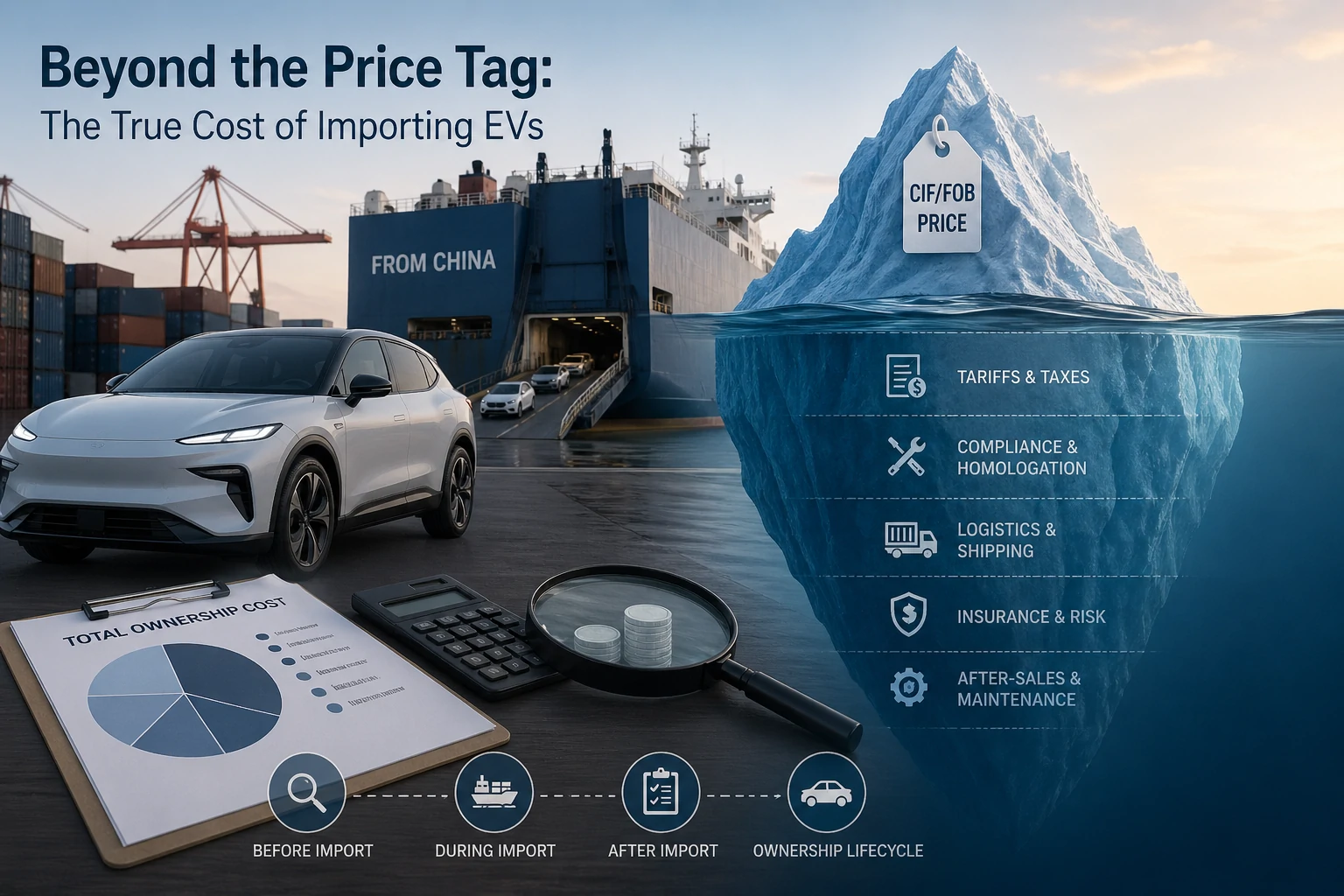
Hidden Costs of Importing EVs from China: What Buyers Often Overlook
April 30, 2026
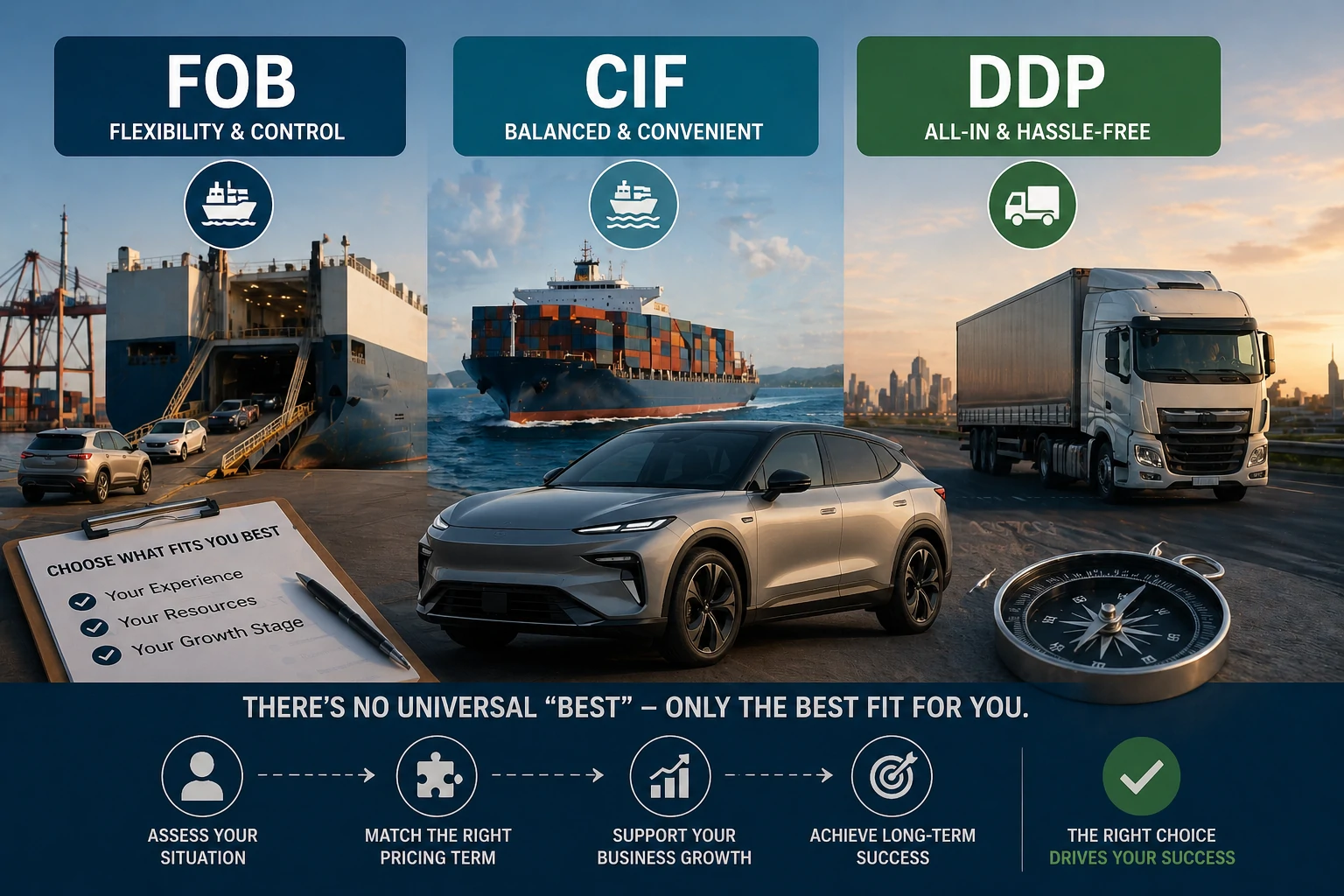
FOB vs CIF vs DDP in Car Export: Which Pricing Term Is Best for You
April 30, 2026

Meeting Along the Silk Road, Driving Toward the Future | Longchuang Automobile Appears at the Belt and Road Business Exchange Conference
May 15, 2026