 EN
EN fr
fr ha
ha nl
nl ru
ru hi
hi be
be he
he ar
ar az
az af
af vi
vi ja
ja th
th tr
tr de
de pt
pt es
es it
it sq
sq ko
ko tg
tg ky
ky rw
rw
Discover Cheap Cars for Import From China
China's budget car sector is drawing global attention and giving international buyers more cost‑effective choices. This article reviews top affordable Chinese models you can import, explains the import steps, and outlines likely costs. With demand rising, knowing how to import can save time and money. We'll cover standout models, the import process, expected fees, and reliable manufacturers so you get a clear view of the market.
Which Affordable Chinese Cars Are Best for Import?
Several affordable Chinese models stand out for their mix of reliability, features and price. They address needs from compact city sedans to roomier SUVs.
- Geely Emgrand: Known for affordability and comfort, the Emgrand offers a spacious interior and modern features, making it a popular choice for budget-conscious buyers.
- Changan CS35: This compact SUV combines style with practicality, featuring a robust design and advanced safety features that appeal to families and young professionals.
- SAIC MG3: A hatchback providing excellent value for money; the MG3 is equipped with modern technology and a stylish design, ideal for urban driving.
These examples reflect improving quality and strong value from Chinese manufacturers, making them practical import options.
How Does the Import Process Work for Chinese Cars?

Importing vehicles from China follows a sequence of steps designed to meet regulations and deliver the car to your location. Knowing each step helps avoid delays and extra costs.
What Are the Key Steps to Import Cars From China?
The process breaks down into three main stages:
- Sourcing and Negotiation: Identify the vehicle to import and negotiate terms with the supplier, covering price, specifications and delivery timelines.
- Inspection and Shipping: After a deal is finalized, inspect the vehicle to confirm quality, then arrange shipping through a freight forwarder or logistics provider.
- Customs Clearance: When the vehicle arrives, clear customs by submitting required documentation and paying any duties and taxes.
Handling each stage correctly will streamline import and reduce the risk of costly problems.
Which Export Services Facilitate International Shipping?
Specialist export services can manage key tasks for you, making international shipping simpler and more reliable.
- Vehicle Sourcing and Matching: Firms that match buyers with suitable vehicles based on preferences and budget.
- Quality Inspection: Third-party inspections that verify the vehicle meets international standards before shipping.
- Logistics Coordination: Companies that handle shipping logistics, documentation, customs clearance, and final delivery.
Using these services helps ensure every step — from sourcing to customs — is handled professionally.
What Are the Costs and Pricing Factors for Chinese Car Exports?
Anticipating likely costs helps you budget realistically. Several variables influence the final price.
How Do Export Prices Compare Across Vehicle Types?
Prices vary by vehicle type. Here’s a simple comparison:
| Vehicle Type | Average Export Price | Key Factors Affecting Price |
|---|---|---|
| Sedans | $10,000 - $15,000 | Model popularity, features |
| SUVs | $15,000 - $25,000 | Size, brand reputation |
| Pickup Trucks | $20,000 - $30,000 | Utility, demand in market |
The table summarizes typical export price ranges by vehicle type.
What Are the Typical Shipping and Import Taxes?
Shipping and import taxes can add substantially to the purchase price. Common costs include:
- Shipping Costs: Depending on method and distance, costs often range from $1,000 to $3,000.
- Import Duties: Vary by country; duties can be as high as 25% of the vehicle's value in some markets.
- Additional Fees: Customs clearance fees, handling charges and insurance can also add to the total.
Factor these expenses into your budget to avoid surprises on arrival.
Which Chinese Automotive Manufacturers Offer Reliable Export Vehicles?

A number of Chinese automakers now export reliable vehicles suited to overseas markets.
A closer look at these brands' global moves reveals the strategies they use and the regulatory hurdles they must clear.
Chinese Auto Brands: Global Expansion & Regulatory Hurdles
This thesis examines how Chinese automotive brands have expanded internationally, with a special focus on LeapMotor. It draws on the author's internship at Stellantis Europe SpA in the Middle East and Africa, adding practical insight into market entry strategies. The study traces historical growth and explains how government policy, technological advances and economic shifts supported that growth. It also details the regulatory barriers these brands face, including compliance with trade laws, safety protocols and environmental standards.
What Are the Best Chinese Car Brands for Export?
Top brands known for export quality include:
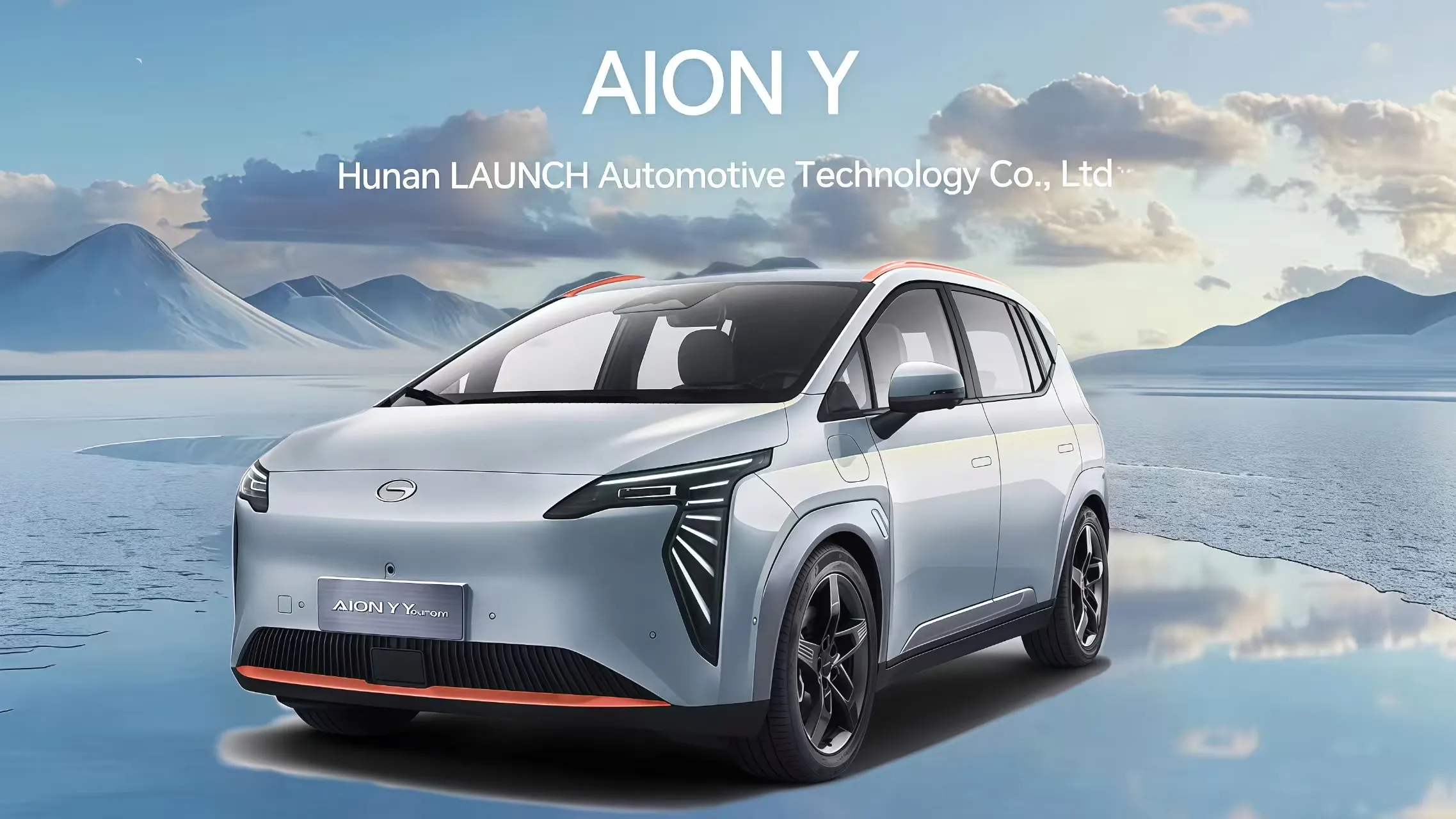
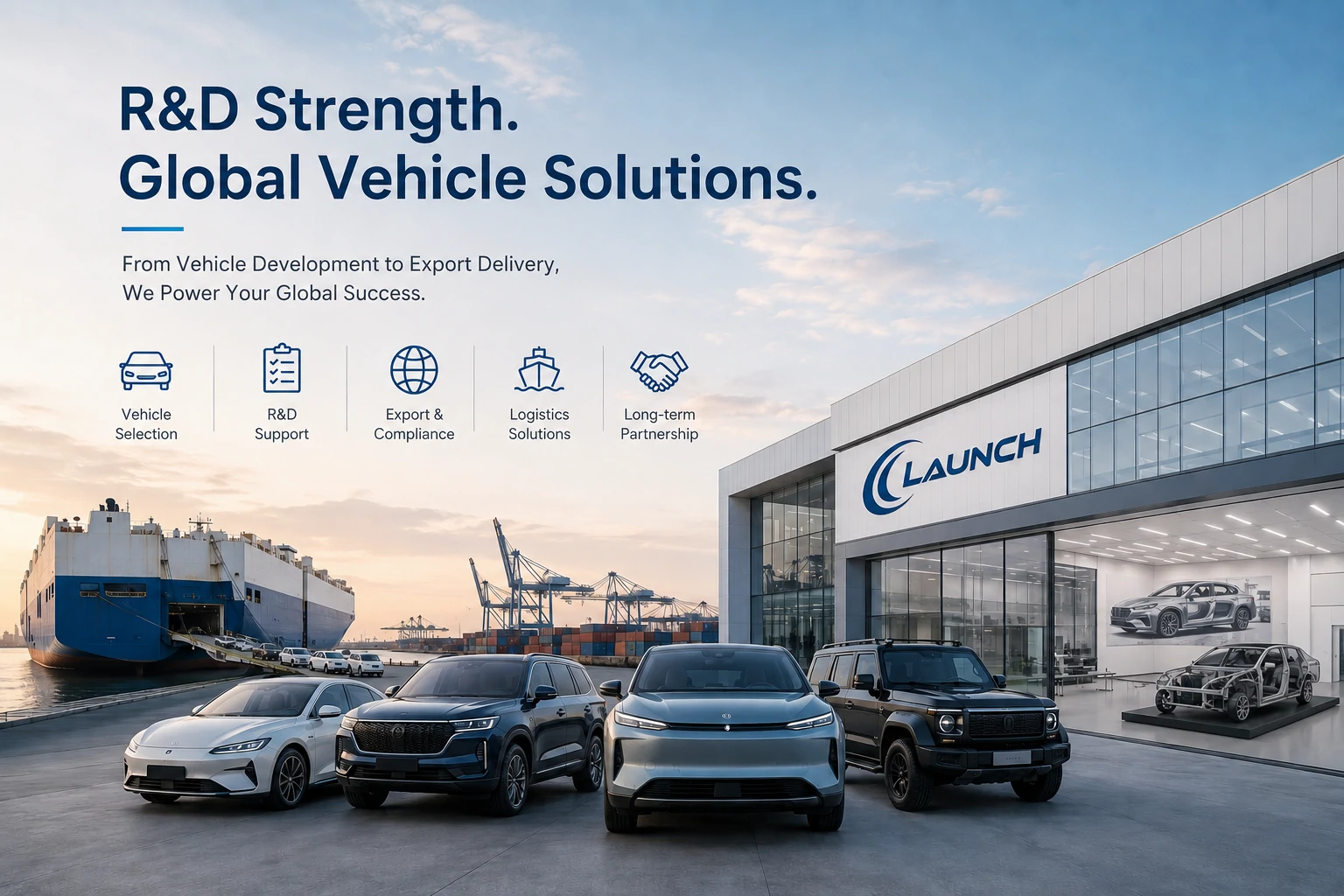
- Hunan Launch Automotive Technology Co Ltd: Focuses on affordable vehicles for international markets and emphasizes export compliance.
- Geely: A well-known brand offering a range of models recognized for reliability and modern features.
- SAIC Motor: One of China’s largest manufacturers, producing many vehicle types including electric options.
They have built reputations for quality and affordability, making them sensible choices for importers.
To explore options, consider visiting Hunan Launch Automotive Technology Co Ltd, which lists vehicles for international markets.
Are Electric Vehicles Available for Export From China?
Yes. Demand for electric vehicles is growing and makers such as BYD and NIO offer affordable, feature‑rich EVs. The expanding supply makes EV imports a viable option for buyers prioritizing lower emissions.
China's rapid rise in EV exports, driven by quality improvements and competitive pricing, has reshaped the global market.
China's EV Export Boom: Quality, Pricing & Tariffs
Between 2018 and 2023, China’s EV exports rose more than tenfold, making it the world’s largest EV exporter. In response, the U.S. and Canada announced 100 percent tariffs on Chinese EVs, citing concerns about low pricing and government subsidies. This thesis tests those claims empirically. Using an accounting framework to separate supply‑side technological improvements from demand‑side preferences, it analyses international import data to explain the export surge. The findings indicate Chinese EV makers substantially upgraded product quality, which enabled entry into high‑income markets without relying on lower prices. Stable marginal production costs suggest that technological advances and supply‑chain strategies — not cost cuts — underpinned their competitiveness.
For buyers seeking a specific vehicle class, sedans, SUVs, and pickup trucks are commonly available for export from China, covering a wide range of needs and preferences.
Frequently Asked Questions
What are the benefits of importing cars from China?
Importing from China can lower purchase cost and broaden model choices. Chinese makers often offer modern features at lower price points than many Western brands; rising quality and a wider model range make imports attractive for budget‑minded buyers.
What documentation is required for importing a car from China?
Key documents usually include the bill of lading, commercial invoice, export license and proof of ownership. You may also need a certificate of conformity to show the vehicle meets local safety and environmental rules. Check with local customs for exact requirements.
How can I ensure the quality of a car before importing it?
Hire a third‑party inspection service to verify condition and compliance. Ask the seller for detailed photos, service records and warranty terms. Working with reputable manufacturers and suppliers with positive reviews also reduces risk.
What are the common challenges faced when importing cars from China?
Common challenges include complex customs rules, language differences and varying quality standards. Shipping delays and extra costs like tariffs or taxes can occur. Research thoroughly and use experienced importers or freight forwarders to avoid common pitfalls.
Are there any restrictions on importing certain car models from China?
Yes. Some models may be restricted if they don't meet local safety, emissions or environmental standards. Rules differ by country, so check with customs and transport authorities before importing.
What should I consider when choosing a shipping method for my imported car?
Weigh cost, transit time and protection level. Container shipping offers the best protection; roll‑on/roll‑off (RoRo) is usually cheaper but exposes the vehicle to weather. Verify the shipping company's experience with vehicle transport to reduce risks.
Hot News

Nissan and Infiniti recall 1.2 million vehicles
November 28, 2023
Best Wholesale Cars From China for Your Business
February 03, 2026
Discover Cheap Cars for Import From China
February 09, 2026

Bulk Purchase Benefits of Chinese Vehicles Explained
February 19, 2026
Bulk Car Suppliers in China: What You Need to Know
February 23, 2026

Wholesale Car Sales Growth in China's Vehicle Market
March 30, 2026
Industry information
Nissan and Infiniti recall 1.2 million vehicles
November 28, 2023

2023 BMW i7 Review: Smooth Operator, Tricky Technology
December 04, 2023
Hidden Costs of Importing EVs from China: What Buyers Often Overlook
April 30, 2026
FOB vs CIF vs DDP in Car Export: Which Pricing Term Is Best for You
April 30, 2026

Meeting Along the Silk Road, Driving Toward the Future | Longchuang Automobile Appears at the Belt and Road Business Exchange Conference
May 15, 2026