 EN
EN fr
fr ha
ha nl
nl ru
ru hi
hi be
be he
he ar
ar az
az af
af vi
vi ja
ja th
th tr
tr de
de pt
pt es
es it
it sq
sq ko
ko tg
tg ky
ky rw
rw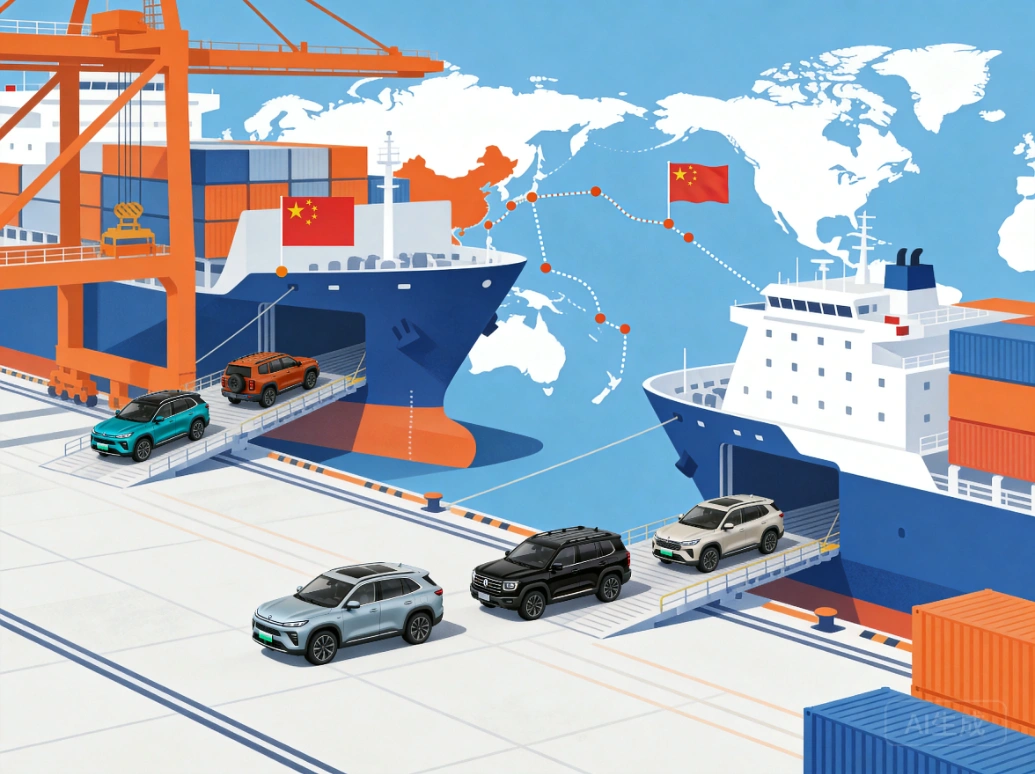
Complete Guide to Importing Cars from China 2026: B2B Importer's Handbook
Why Import Cars from China in 2026?
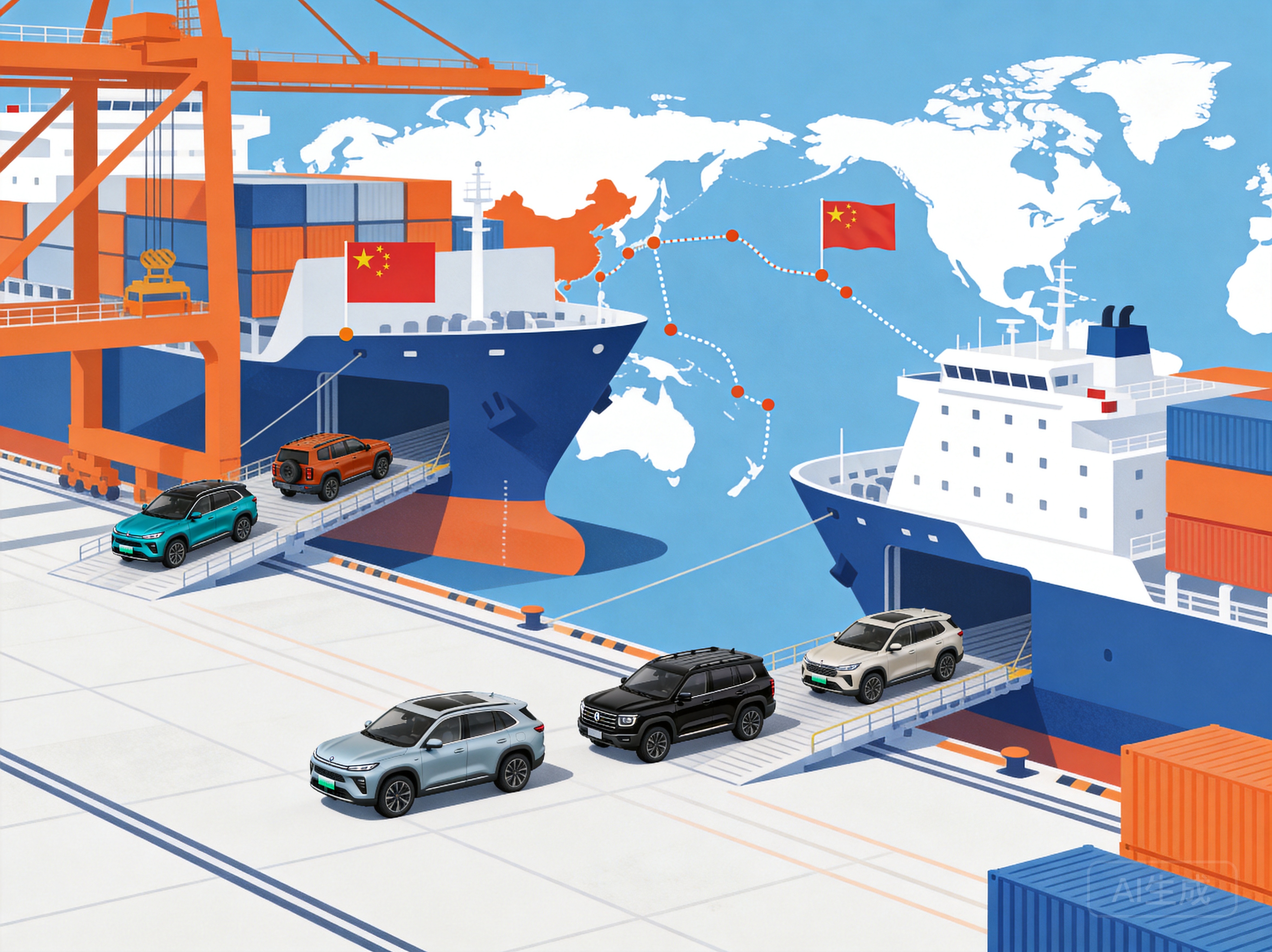
China became the world's largest vehicle exporter in 2026, shipping over 5.85 million units globally—a 19.3% increase from the previous year. The shift started around 2021 and hasn't slowed down.
For B2B importers working with Malaysia, Indonesia, the Philippines, Turkey, UAE, and Saudi Arabia, importing Chinese vehicles makes sense right now. Here's why:
What Works in Your Favor
- Price: Chinese vehicles cost 20-40% less than comparable Japanese or European models
- Technology: Chinese EV brands lead in battery tech and smart features
- Choice: Over 15,000 vehicle options available across all price ranges ($10,000-$50,000+)
- Quality: Exporters with 95% satisfaction rates have figured out quality control
- Right-Hand Drive: Specialized RHD models built specifically for Southeast Asian markets
What's Happening in 2026
- Chinese EV exports passed 2 million units
- RHD exports to Malaysia, Indonesia, and Thailand grew 60%
- Features like LiDAR, 800V charging, and smart connectivity are standard across price points now
- Logistics networks have 300+ service outlets globally
Understanding China's Export Ecosystem
Before getting into the process, you need to know the landscape.
Who Exports What
| Brand | Focus | Price Range | Works Well For |
|---|---|---|---|
| BYD | EVs | $20,000-$40,000 | EV/SUV dealers |
| Xiaomi | Smart EVs | $35,000-$45,000 | Tech-focused buyers |
| LEV01 | RHD SUVs | $25,000-$35,000 | Southeast Asian markets |
| Jetour | Off-road SUVs | $18,000-$28,000 | Adventure segment |
| Changan | Compact SUVs | $15,000-$25,000 | Budget market |
| Hongqi | Premium EVs | $40,000-$60,000 | Luxury buyers |
How to Vet a Chinese Car Exporter
Check these boxes:
Company Background
- At least 10 years in the business
- ISO 9001 certification
- Member of China Chamber of Commerce for Import & Export
Product Selection
- 5,000+ vehicle options available
- Multiple brand partnerships
- Can handle custom orders
Service Network
- 300+ global service outlets
- After-sales support in your target market
- Spare parts available locally
Quality Control
- 95%+ customer satisfaction
- Warranty packages that actually work
- Pre-shipment inspection reports
The Import Process: Step by Step
Step 1: Market Research and Vehicle Selection (2-4 weeks)
1.1 Know Your Market's Rules
Each country has different requirements:
| Market | Drive | Emissions | Import Duty | Key Requirement |
|---|---|---|---|---|
| Malaysia | Right | Euro VI | 10-30% | AP permit from MITI |
| Indonesia | Right | Euro IV | 10-15% | CKD/SKD incentives available |
| Philippines | Left | Euro IV | 5-30% | Emission testing required |
| Turkey | Left | Euro VI | 45% | Local assembly incentives |
| UAE | Left | Euro V | 5% | ESMA certification |
| Saudi Arabia | Left | Euro IV | 5% | SASO certification |
| Pakistan | Right | Euro II | 5-25% | Allow/Quota system |
1.2 What to Look for in a Vehicle
- Will it sell in your market? (RHD matters for some countries)
- Does it meet local emission and safety standards?
- Price point matches your customers' budget?
- Brand recognition in your region?
- Can you get parts and service locally?
Step 2: Finding and Negotiating with an Exporter (1-2 weeks)
2.1 How to Request a Quote
Send an RFQ that includes:
- Vehicle make, model, and specs
- How many you want (10+ containers gets better pricing)
- When you need delivery
- Destination port
- Payment terms you prefer (L/C, T/T, etc.)
- Any special requests
2.2 How to Compare Offers
| What Matters | Weight | Watch Out For |
|---|---|---|
| FOB Price | 30% | Compare same specs across suppliers |
| Quality Guarantees | 25% | Warranty, inspection, certifications |
| Delivery Time | 20% | Cash flow impact |
| After-Sales Support | 15% | Spare parts, training |
| Payment Terms | 10% | Risk level |
2.3 Contract Terms That Protect You
Make sure these are in writing:
- Price basis (FOB Shanghai/Guangzhou/Ningbo)
- Volume discounts
- Quality standards (pre-shipment inspection required)
- Delivery milestones
- Payment security (L/C or escrow)
- Dispute resolution (arbitration clause)
Step 3: Documentation and Compliance (2-3 weeks)
3.1 What You Need from the Exporter
- Commercial Invoice
- Packing List
- Bill of Lading
- Certificate of Origin
- Vehicle Certification (CCC, E-mark, etc.)
- Inspection Report
- Insurance Certificate
3.2 What You Need as Importer
- Import License
- Tax ID
- Business Registration
- Letter of Credit (if using)
3.3 Certification by Region
European standards (Euro VI/V):
- ECE Type Approval
- COC (Certificate of Conformity)
- Emissions Test Report
- Safety Compliance Certificate
Middle East:
- SASO Certificate (Saudi Arabia)
- ESMA Certificate (UAE)
- TIR Carnet (Turkey)
Southeast Asia:
- SIRIM Certification (Malaysia)
- SNI Mark (Indonesia)
- PSB License (Philippines)
Step 4: Shipping and Logistics (4-6 weeks)
4.1 Shipping Methods
| Method | Time | Cost Per Car | Use When |
|---|---|---|---|
| Ro-Ro Vessel | 15-25 days | $800-$1,500 | Ordering 50+ units |
| Container | 20-30 days | $1,200-$2,000 | Mixed cargo, need protection |
| Air Freight | 3-7 days | $5,000-$8,000 | Urgent, high-value |
4.2 Logistics Checklist
- Choose departure port (Shanghai, Ningbo, Guangzhou)
- Get marine cargo insurance
- Set up container tracking
- Hire a customs broker
- Arrange warehousing if needed
Step 5: Customs Clearance (1-2 weeks)
5.1 The Clearance Process
- Submit documents to customs
- Pay import duties and taxes
- Customs inspects the shipment
- Verify everything matches
- Pay remaining duties and taxes
- Get release for distribution
5.2 How to Reduce Import Duty
- Use Free Trade Agreements (ACFTA can get you 0% duty)
- CKD/SKD imports sometimes get lower rates
- Free trade zones let you defer duty
- Bulk orders sometimes qualify for concessions
Step 6: Quality Check and Distribution (1-2 weeks)
6.1 Before You Deliver
- Check for shipping damage
- Verify all compliance documents
- Review all paperwork
- Test drive a few units
6.2 Distribution Options
- Ship directly to dealers
- Store in central warehouse first
- Put some in showrooms
- Keep test drive units ready
Vehicles Worth Importing in 2026
Electric Vehicles
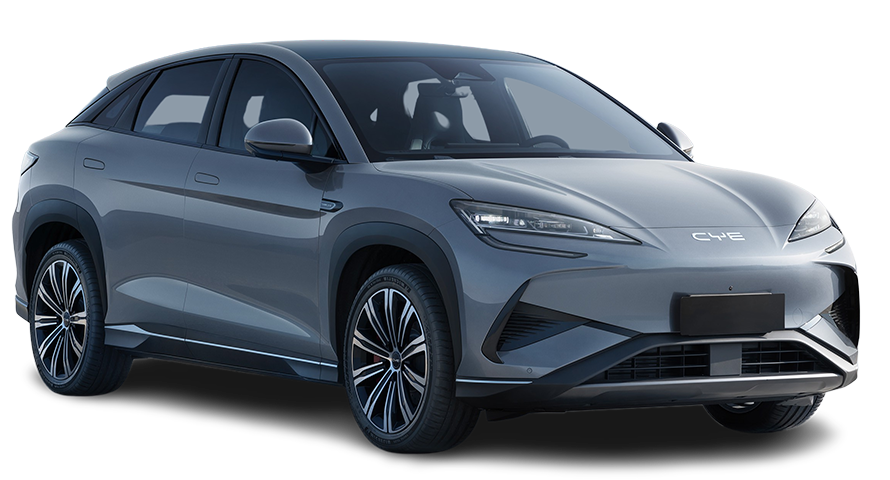
1. LEV01 RHD SUV
- Price: $21000 FOB
- Range: 500-600 km
- Best for: Malaysia, Indonesia, Pakistan
- Why: Right-hand drive, long wheelbase, 5 seats
2. Xiaomi YU7 SUV
- Price: $38800 FOB
- Range: 770-835 km
- Best for: UAE, Saudi Arabia
- Why: 800V charging, LiDAR, smart ecosystem
3. BYD Han EV
- Price: $18500 FOB
- Range: 506-605 km
- Best for: Turkey, UAE
- Why: Blade battery, premium interior
Hybrids and PHEVs
4. Jetour T2
- Price: $14800 FOB
- Type: Gasoline/PHEV
- Best for: Off-road buyers
- Why: Euro VI compliant, 2.0T engine
5. Changan CS75 PLUS
- Price: $14200 FOB
- Type: 1.5T/2.0T
- Best for: Budget-conscious buyers
- Why: L2.5 assist, 15.6" touchscreen
Budget Options
6. Changan CS55 PLUS
- Price: $13800 FOB
- Type: Compact SUV
- Best for: First-time SUV buyers
- Why: 360° camera, JBL audio
(Prices are for reference only; please contact us for detailed information.)
Problems You'll Face (and How to Solve Them)
Regulatory Complexity
The issue:
Every market has different rules.
What helps:
- Find a good local customs broker
- Get third-party inspection before shipping
- Keep up with regulatory changes
- Work with an exporter who knows the markets
Quality Control
The issue:
How do you know the vehicles are good?
What helps:
- Pay for third-party inspection
- Get 2-3 year warranty coverage
- Negotiate spare parts agreements upfront
- Make sure there's a service network
Payment Risk
The issue:
Sending money overseas is risky.
What helps:
- Use Letter of Credit for big orders
- Escrow services for medium orders
- T/T with performance guarantees
- Trade credit insurance
Shipping Delays
The issue:
Vehicles stuck at ports cost you money.
What helps:
- Use freight forwarders with good track records
- Keep buffer stock
- Have backup shipping routes
- Order 2-3 months before you need stock
Competition
The issue:
Japanese and Korean brands are established.
What helps:
- Compete on price
- Highlight technology differences
- Offer better after-sales service
- Focus on segments others ignore
Why Work with Hunan Launch
Background
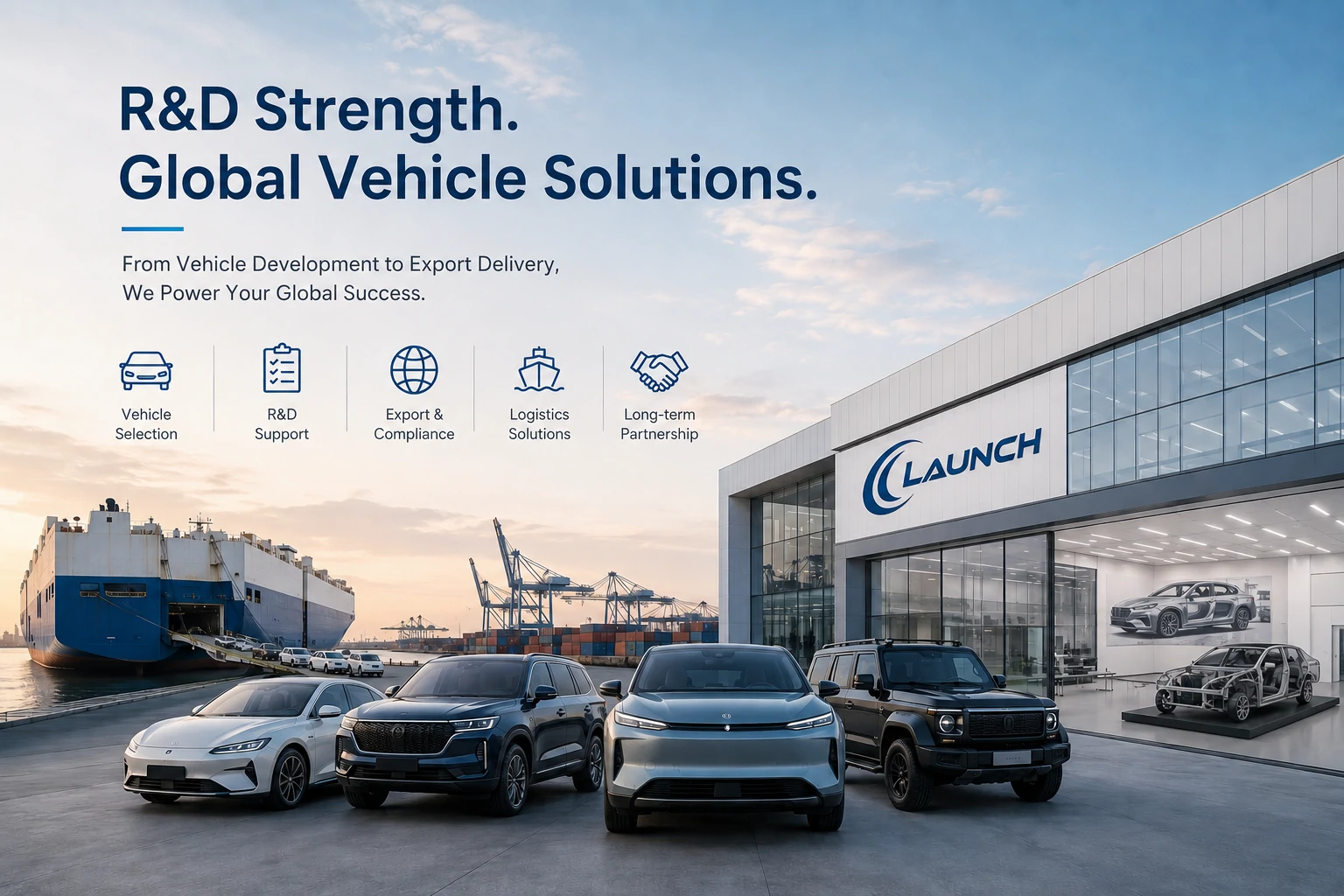
Hunan Launch Automotive Technology Co., Ltd. started in 2016. We're owned by Shanghai LAUNCH Automotive Design—one of China's biggest automotive design companies with 27 subsidiaries and 2,300+ engineers. That's our edge: we understand the product.
Inventory
Over 15,000 vehicle options across price points:
- Budget ($10,000-$20,000): Wuling, Changan, DFSK
- Mainstream ($20,000-$35,000): LEV01, Jetour, BYD
- Premium ($35,000-$50,000): Xiaomi, Hongqi, Leapmotor
- Luxury ($50,000+): BYD Tang, Hongqi E-HS9
Track Record
95% customer satisfaction. Here's what that means:
- Every vehicle gets inspected before shipping
- 2-3 year warranty standard
- Spare parts available for 5 years
- Dealer training included
Service Network
300+ global service outlets handling:
- Technical support on-site
- Spare parts distribution
- Regular maintenance
- Software updates and recalls
Pricing
We can offer 20-40% lower prices than Japanese/European equivalents because:
- Direct manufacturer relationships
- Volume orders
- Efficient operations
- No middlemen
RHD Specialty
For right-hand drive markets, we have:
- LEV01 RHD SUV, purpose-built for Southeast Asia
- RHD conversion services for other models
- Pre-certified for Malaysia, Indonesia, Pakistan
- Local market expertise
How to Start
Step 1: Tell Us What You Need
Go to hnlaunchcar.com and send:
- Which markets you're targeting and how many vehicles
- Vehicle preferences (brand, model, specs)
- Your budget
- When you need delivery
- Any special requirements
Step 2: Get Your Quote
Within 24-48 hours, you'll receive:
- Detailed FOB pricing
- Vehicle specs and availability
- Shipping options and timelines
- Payment terms
Step 3: Finalize the Deal
- Compare options
- Request changes if needed
- Agree on specs and pricing
- Sign the contract
Step 4: Pay and Confirm
- Choose payment method (L/C, T/T)
- Provide required documents
- Get order confirmation
- Production starts
Step 5: Quality Check and Ship
- Pre-shipment inspection
- Documentation prepared
- Shipping booked
- Tracking updates provided
Step 6: Clearance and Delivery
- Customs clearance support
- Duty payment help
- Final delivery arranged
- After-sales kicks in
Your Import Checklist for 2026
Before You Import (6-8 weeks)
- ☐ Research your target market
- ☐ Check local regulations
- ☐ Vet potential exporters
- ☐ Send RFQs and compare
- ☐ Negotiate and sign contract
- ☐ Arrange payment
- ☐ Get import license if needed
During Import (6-8 weeks)
- ☐ Confirm vehicle selection
- ☐ Arrange pre-production inspection
- ☐ Prepare all documents
- ☐ Book shipping
- ☐ Load and ship
- ☐ Track transit
- ☐ Prepare for arrival
- ☐ Clear customs
- ☐ Pay duties
- ☐ Final inspection
- ☐ Move to warehouse
After Import (2-4 weeks)
- ☐ Train your dealers
- ☐ Prepare marketing materials
- ☐ Set final prices
- ☐ Launch sales
- ☐ Collect feedback
- ☐ Start after-sales service
Common Questions
How many vehicles should I order?
Single vehicles are possible, but most B2B importers order 10-20 minimum for volume discounts and better shipping rates. For the best pricing, think 50+ vehicles.
How long does the whole process take?
From inquiry to delivery: typically 8-16 weeks total
- Talking and negotiating: 2-4 weeks
- Getting the vehicles: 4-6 weeks
- Shipping: 4-6 weeks
- Customs: 1-2 weeks
What payment methods work?
- Letter of Credit (L/C) — best for large orders
- Telegraphic Transfer (T/T) — 30% deposit, 70% before shipping
- Escrow — adds security for medium orders
- Trade credit — for established relationships
What warranty comes with the vehicles?
- Standard 2-year warranty
- Extended options up to 5 years
- 5-year spare parts guarantee
- Technical support and training included
Can you help with compliance?
Yes. We provide:
- Pre-certification documents
- Emission and safety certificates
- Help with import permits
- Market expertise
- Customs broker recommendations
What margins can I expect?
Varies by market and vehicle type:
- Budget vehicles: 15-20%
- Mainstream: 20-25%
- Premium: 25-30%
- Luxury: 30-35%
What after-sales support is available?
Through our 300+ global service outlets:
- Technical help on-site
- Spare parts supply
- Maintenance programs
- Software updates
- Training
Ready to Start?
Importing cars from China in 2026 gives you access to quality vehicles at competitive prices for growing markets in Southeast Asia and the Middle East.
Work with Hunan Launch and you get:
- 10+ years of export experience
- 15,000+ vehicle options
- 95% customer satisfaction
- 300+ global service outlets
- 20-40% price advantage over competitors
Next step:
Visit hnlaunchcar.com to submit your inquiry. Most quotes come within 24-48 hours. Our team will walk you through everything—from choosing vehicles to getting them to your customers.
The Chinese automotive market isn't slowing down. Get your piece of it.
This guide is from Hunan Launch Automotive Technology Co., Ltd., a Chinese car exporter working with B2B importers in Southeast Asia, the Middle East, and beyond since 2016. Contact us for personalized advice on your import needs.
More Resources
- Hunan Launch Website: hnlaunchcar.com
Hot News

Nissan and Infiniti recall 1.2 million vehicles
November 28, 2023
Best Wholesale Cars From China for Your Business
February 03, 2026
Discover Cheap Cars for Import From China
February 09, 2026
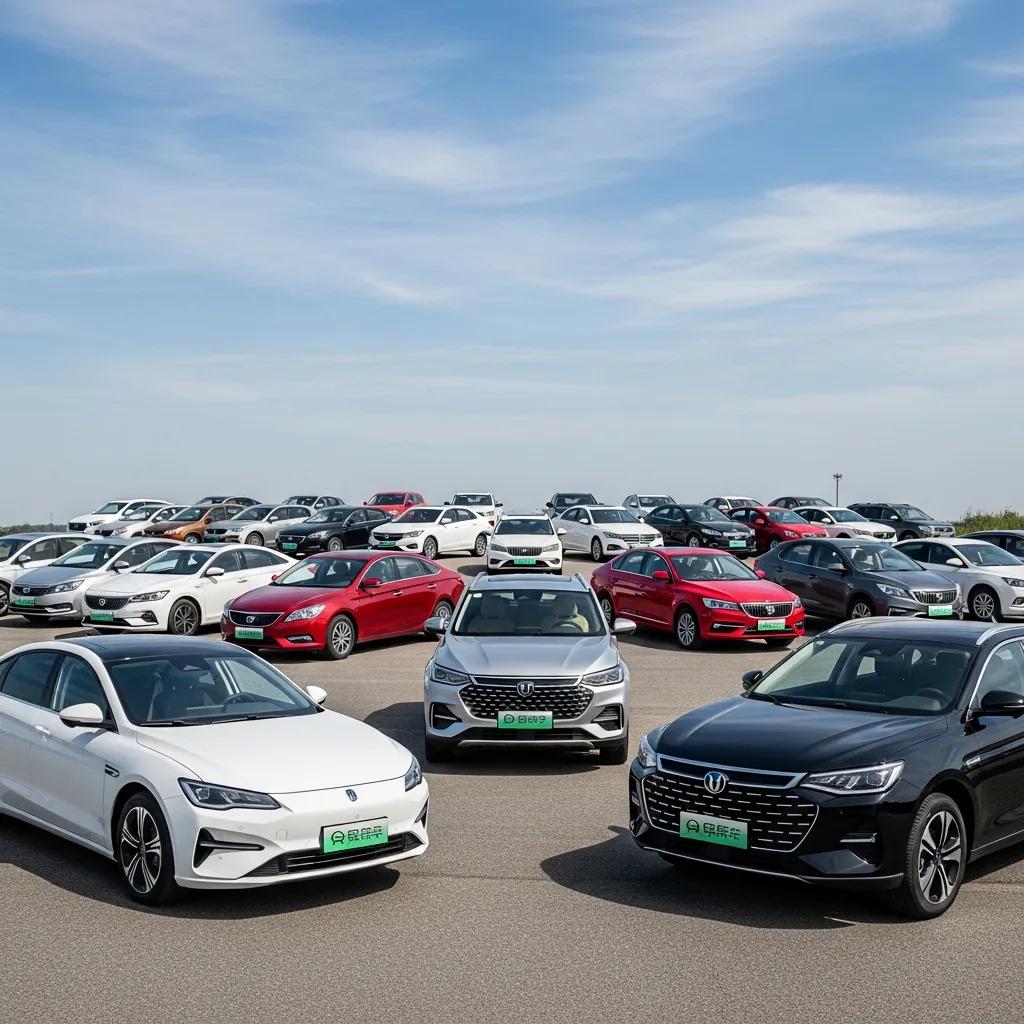
Bulk Purchase Benefits of Chinese Vehicles Explained
February 19, 2026
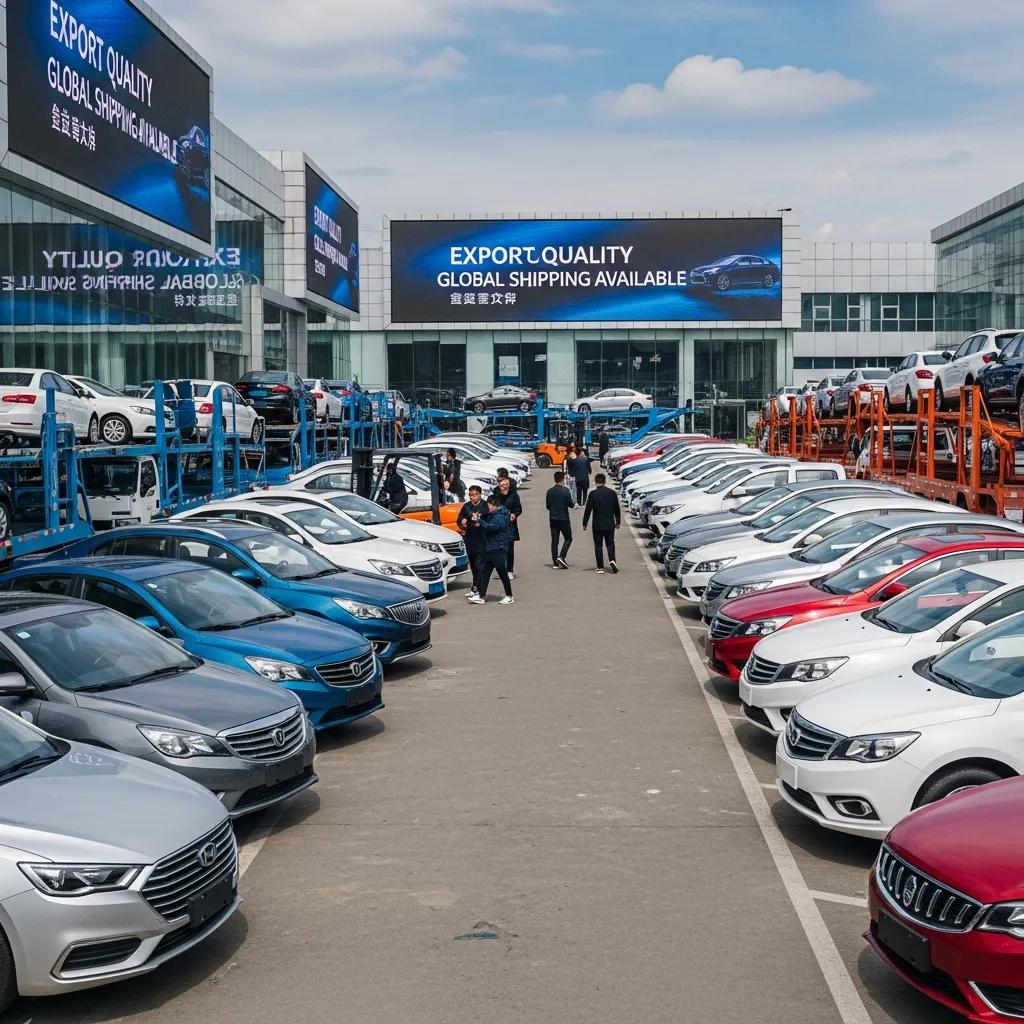
Bulk Car Suppliers in China: What You Need to Know
February 23, 2026
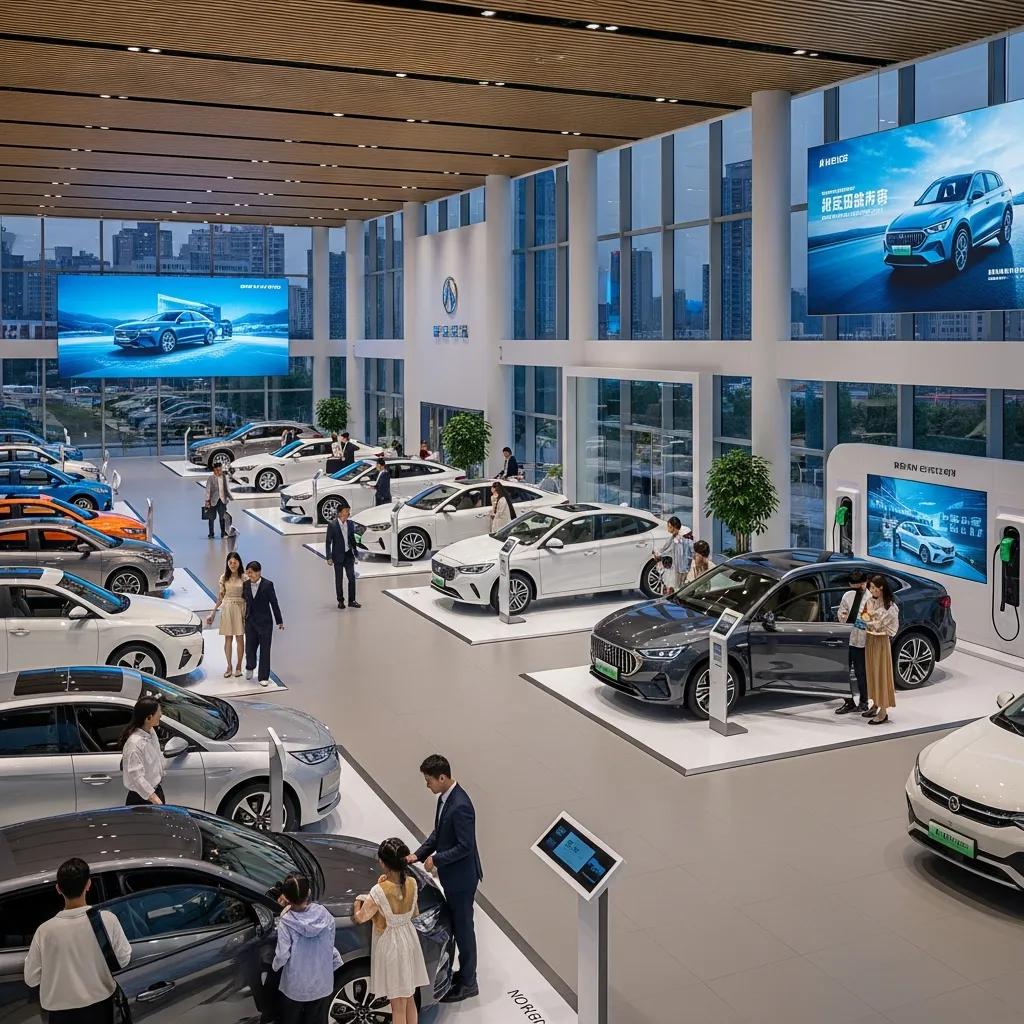
Wholesale Car Sales Growth in China's Vehicle Market
March 30, 2026
Industry information
Nissan and Infiniti recall 1.2 million vehicles
November 28, 2023

2023 BMW i7 Review: Smooth Operator, Tricky Technology
December 04, 2023
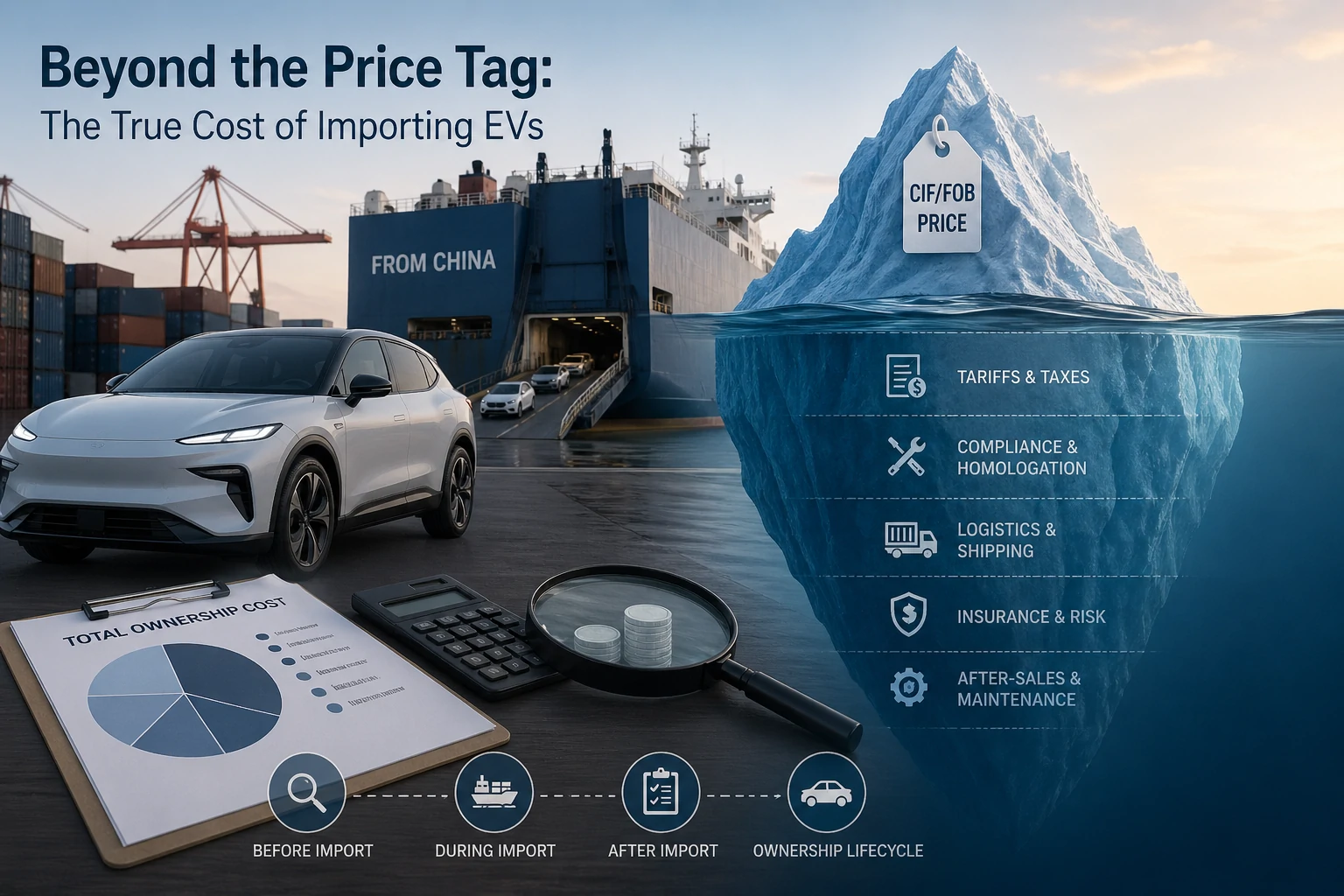
Hidden Costs of Importing EVs from China: What Buyers Often Overlook
April 30, 2026
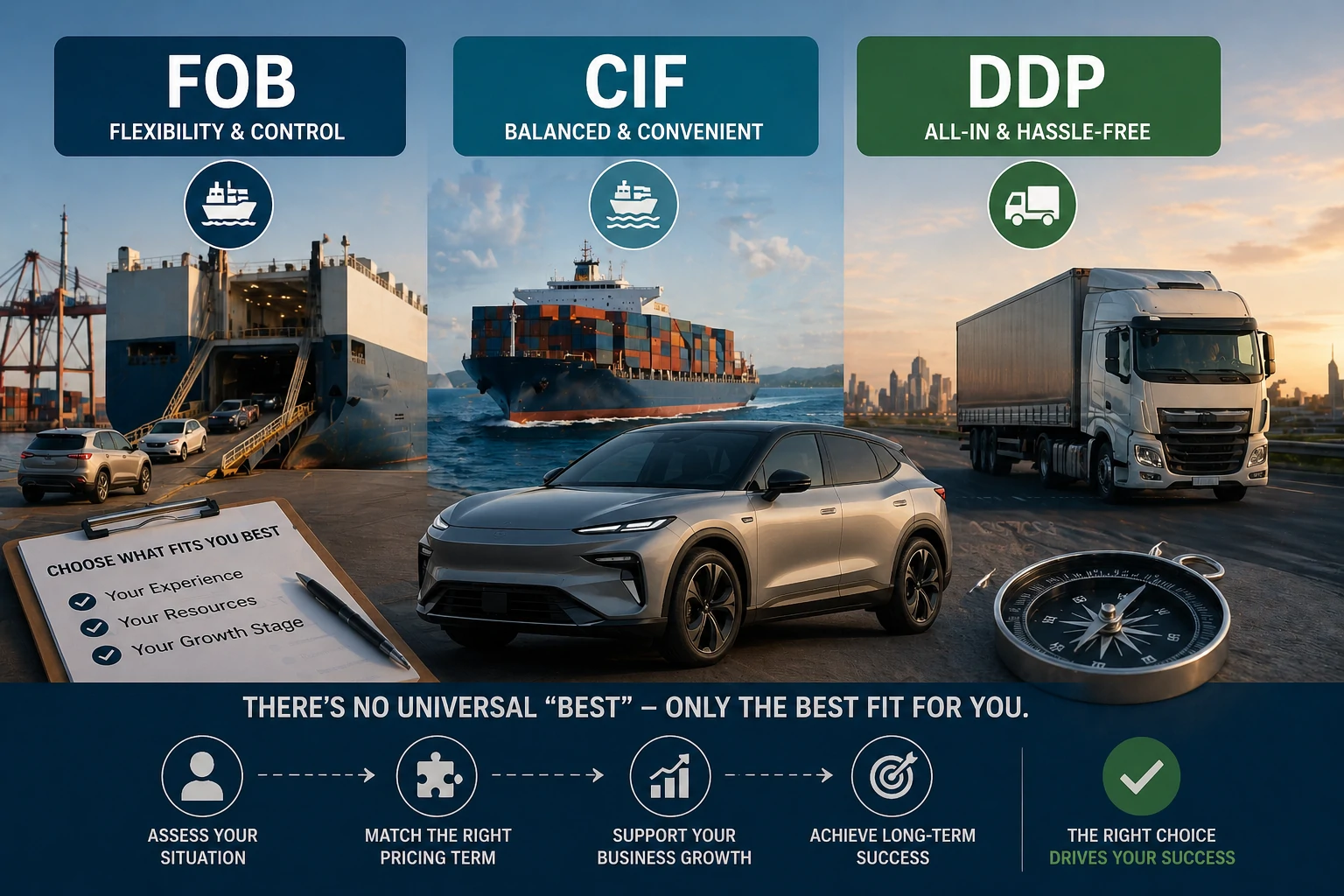
FOB vs CIF vs DDP in Car Export: Which Pricing Term Is Best for You
April 30, 2026
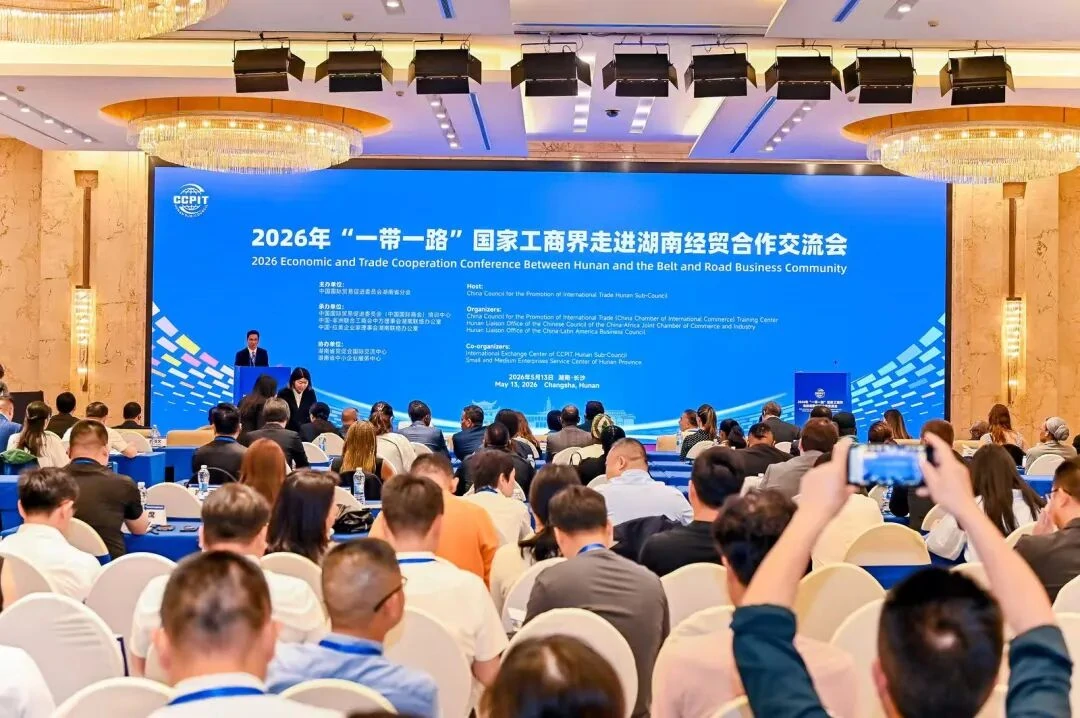
Meeting Along the Silk Road, Driving Toward the Future | Longchuang Automobile Appears at the Belt and Road Business Exchange Conference
May 15, 2026