 EN
EN fr
fr ha
ha nl
nl ru
ru hi
hi be
be he
he ar
ar az
az af
af vi
vi ja
ja th
th tr
tr de
de pt
pt es
es it
it sq
sq ko
ko tg
tg ky
ky rw
rw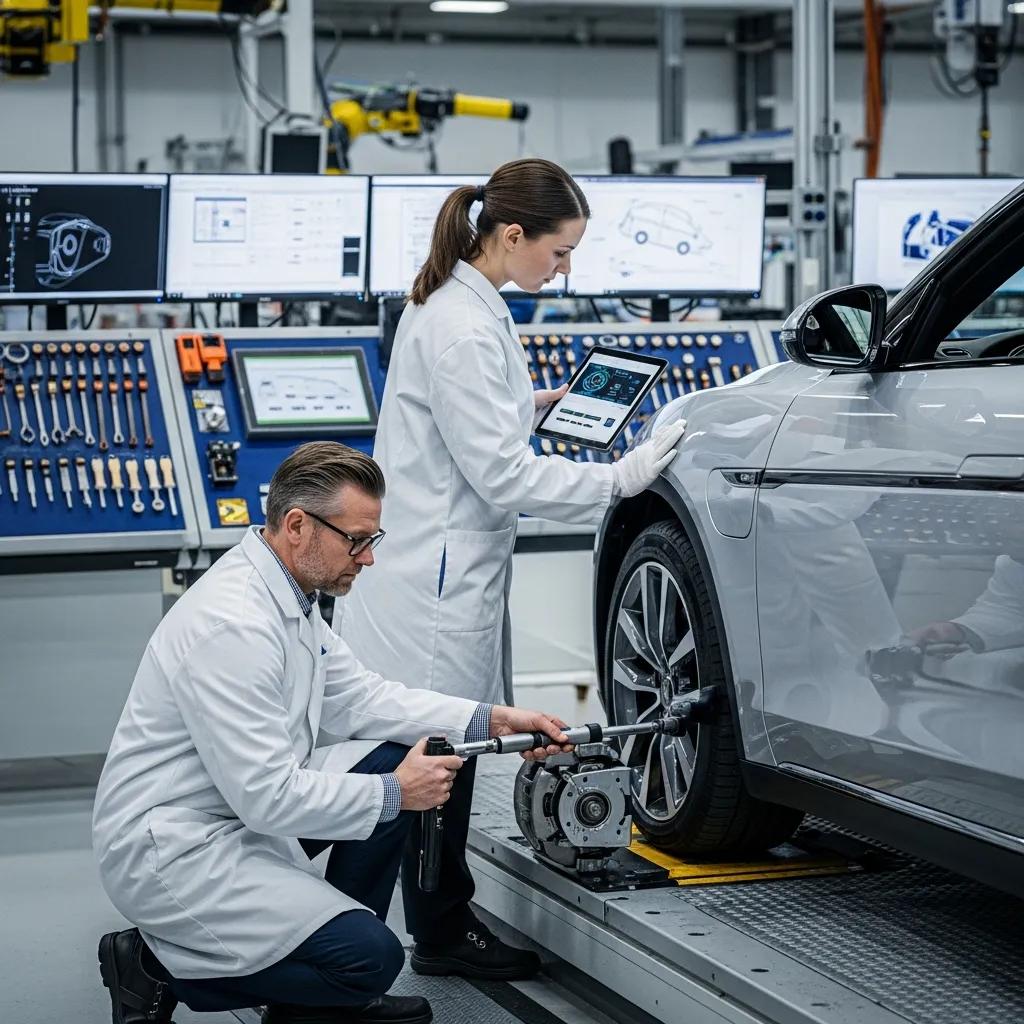
Understanding Car Quality Standards From China Suppliers
Whether you import or manufacture vehicles, understanding Chinese quality standards is essential. This guide outlines the main automotive certifications, compliance requirements and quality-control steps that help vehicles access international markets. These standards affect safety, reliability and marketability. We explain key certifications, how suppliers secure export quality and the role of regulators so you can evaluate and verify quality when importing cars from China.
What Are the Key Automotive Quality Certifications in China?

Certifications show that vehicles made in China meet domestic and international standards. They strengthen manufacturer credibility and reassure buyers on safety and performance. Key certificates include the China Compulsory Certification (CCC), ISO 9001 and IATF 16949 — each addresses different parts of the automotive supply chain.
China Compulsory Certification Explained
The China Compulsory Certification (CCC) is mandatory for many products, including automobiles, and verifies safety and quality through testing and assessment. For international buyers, CCC signals compliance with core safety rules, reduces defect risk and aids market access.
International Standards: ISO 9001 and IATF 16949 in Chinese Manufacturing
ISO 9001 provides a general quality-management framework; IATF 16949 targets the automotive sector's specific requirements. Adherence demonstrates a commitment to consistent quality and continual improvement, supporting acceptance in global markets.
Further research examines the practical auditing and application of these standards.
IATF 16949 Audit Systems in Automotive Industry
This paper uses a gap-analysis framework to compare IATF 16949 and the Toyota Production System (TPS) audit systems. The study identifies gaps, compares audit process flow charts and finds similar audit objectives, the same auditees and shared documents. Using the 5M (Man, Machine, Method, Material, Measurement) + 1E (Environment) approach to analyse audit requirements, it shows both systems share common audit items.
A case study: Framework of gap analysis on integration of audit system between IATF 16949 and
How Do Chinese Automotive Suppliers Ensure Export Quality?
Chinese automotive suppliers combine strict quality-control procedures, international certifications and continuous monitoring of production practices. These measures improve vehicle reliability and safety for export markets.
These measures are part of a broader strategic push to raise quality across the domestic automobile industry.
Quality Management in Chinese Auto Manufacturing
This study examines quality-management activities in Chinese auto factories and presents quality practices for the domestic vehicle industry. It outlines strategic quality-improvement management from the perspective of critical outsourced parts.
Strategic Quality Improvement Management Practice for Domestic Automobile Industry from the Crucial Outsourcing Part Perspective.
Hunan Launch Automotive Technology Co Ltd specialises in export services that align vehicles with required quality standards and certifications. Their experience in international compliance helps streamline manufacturers' export processes.
Quality Control Processes in Chinese Vehicle Manufacturing

Quality control is central to vehicle manufacturing. Typical stages include pre-production inspections, in-process checks and final evaluations, which allow manufacturers to detect and correct issues before vehicles reach customers.
| Quality Control Process | Description | Importance |
|---|---|---|
| Pre-production Inspections | Assessing materials and components before assembly | Ensures quality from the start |
| In-process Quality Checks | Monitoring production at various stages | Identifies defects early |
| Final Product Evaluations | Comprehensive testing of finished vehicles | Confirms compliance with standards |
These quality-control measures help maintain manufacturing standards and produce safer, more reliable vehicles for consumers.
Role of Third-Party Audits and Compliance Verification
Third-party audits provide an independent check on compliance. External auditors assess manufacturing processes, quality controls and certificates, giving buyers additional assurance that suppliers meet export requirements.
What Are the Export Compliance Requirements for Chinese Vehicles?
Export compliance covers the documentation and regulatory standards needed before vehicles are shipped internationally. These requirements ensure vehicles meet the importing country's safety and environmental rules.
Documentation and Regulatory Standards for Exporting Cars
Exporting cars from China requires key documents to meet international rules. These include:
- Export Licenses: Required for legal exportation of vehicles.
- Customs Declarations: Necessary for clearing customs in the importing country.
- Certificates and Compliance Paperwork: Documentation proving adherence to safety and quality standards.
These documents facilitate customs clearance and confirm that vehicles meet the importing country's regulations.
Impact of CATARC and Other Regulatory Bodies on Export Quality
The China Automotive Technology and Research Center (CATARC) and other regulators set guidelines and conduct assessments to ensure manufacturers comply with national and international rules. Their oversight helps strengthen the credibility of Chinese automotive products abroad.
Collaboration with international organisations like the VDA QMC China helps reinforce the development and implementation of robust quality-management systems and standards in China's automotive sector.
China Automotive Quality Standards & VDA Regulation
The interview outlines VDA QMC China's role in building information and knowledge infrastructure on quality management in China's automotive sector. It traces developments in quality management, highlights the role of VDA standards and describes steps in regulation and standard setting by DPAC (SAMR), using recall management and the Sino-German Working Group as examples. German expert input remains valued when designing new standards (GB and GB/T) in China.
How to Evaluate and Verify Quality When Importing Cars from China?
Evaluating and verifying quality when importing cars follows clear steps. Focus on the specific standards that apply to each vehicle type — sedans, SUVs, pickup trucks and minivans.
Assessing Vehicle Categories: Sedan, SUV, Pickup Truck, and Minivan Quality Standards
Each vehicle category has distinct priorities: sedans often emphasise fuel efficiency and safety features, while SUVs place greater emphasis on durability and off-road capability. Recognising these differences helps you make informed purchasing decisions.
For sedan options, visit this resource for a comprehensive overview.
Supplier Audit Processes and Certification Verification
Thorough supplier audits and certificate verification are essential. Review a supplier's manufacturing steps, quality-control practices and certification records to reduce the risk of importing non-compliant vehicles.
For pickup truck options, explore available models to see details and compliance information.
Following these guidelines helps importers navigate car quality standards from Chinese suppliers and source reliable, compliant vehicles for their markets.
If you are considering importing minivans, this resource lists a range of options to explore.
Frequently Asked Questions
What specific quality standards should be considered for electric vehicles from China?
When sourcing electric vehicles (EVs) from China, consider standards for battery safety, energy efficiency and environmental impact. Look for CCC certification and compliance with international rules such as UN ECE R100 for EV safety. Also check supplier adherence to ISO 26262 for functional safety in automotive systems to help ensure reliability.
How do Chinese automotive suppliers handle recalls and quality issues?
Suppliers typically have recall protocols and dedicated quality teams that monitor product performance and customer feedback. They work with regulators to ensure compliance and transparency during recalls. Clear communication and prompt corrective action help preserve trust and limit reputational damage.
What are the benefits of using local agents when importing cars from China?
Local agents can streamline the import process by navigating local regulations, customs procedures and market practices. They facilitate supplier communication, assist with quality inspections and manage export documentation. Their local knowledge often improves negotiation outcomes and saves time and cost.
How can importers stay updated on changes in automotive regulations in China?
Importers can stay informed by subscribing to industry newsletters, joining trade associations and attending relevant conferences. Engaging local legal experts or consultants specialising in automotive compliance and following updates from regulators like CATARC will help you remain compliant and proactive.
What impact does the global supply chain crisis have on sourcing vehicles from China?
The global supply chain crisis has increased lead times, raised shipping costs and caused potential shortages of key components. Importers may face delays and inventory challenges. To mitigate these risks, build relationships with multiple suppliers, diversify sourcing and consider local alternatives to improve supply-chain resilience.
What are the environmental considerations when importing vehicles from China?
Environmental factors matter increasingly. Assess the manufacturing carbon footprint, compliance with emissions standards and the sustainability of materials used. ISO 14001 certification can indicate a supplier's environmental management. Also consider vehicle lifecycle issues, including end-of-life disposal and recycling practices, for responsible sourcing.
Hot News

Nissan and Infiniti recall 1.2 million vehicles
November 28, 2023

Best Wholesale Cars From China for Your Business
February 03, 2026

Discover Cheap Cars for Import From China
February 09, 2026

Bulk Purchase Benefits of Chinese Vehicles Explained
February 19, 2026
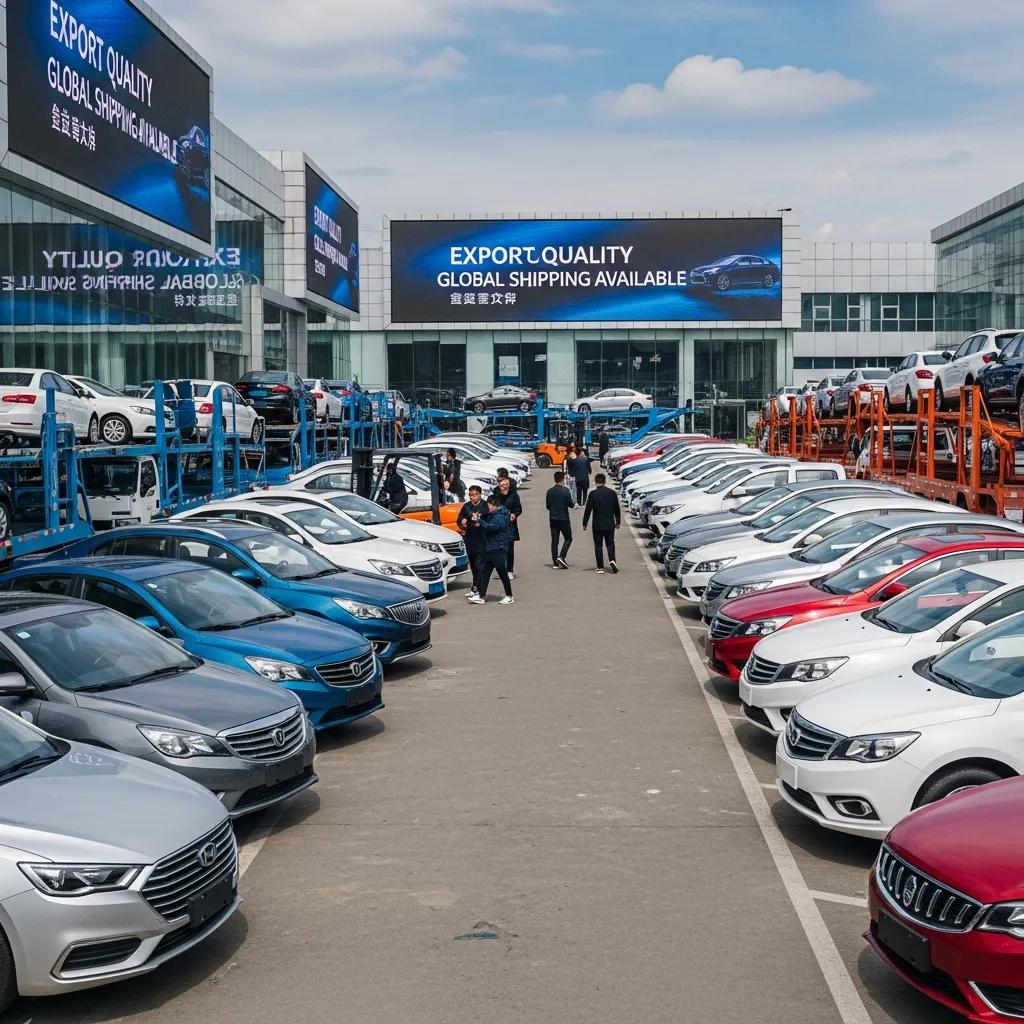
Bulk Car Suppliers in China: What You Need to Know
February 23, 2026
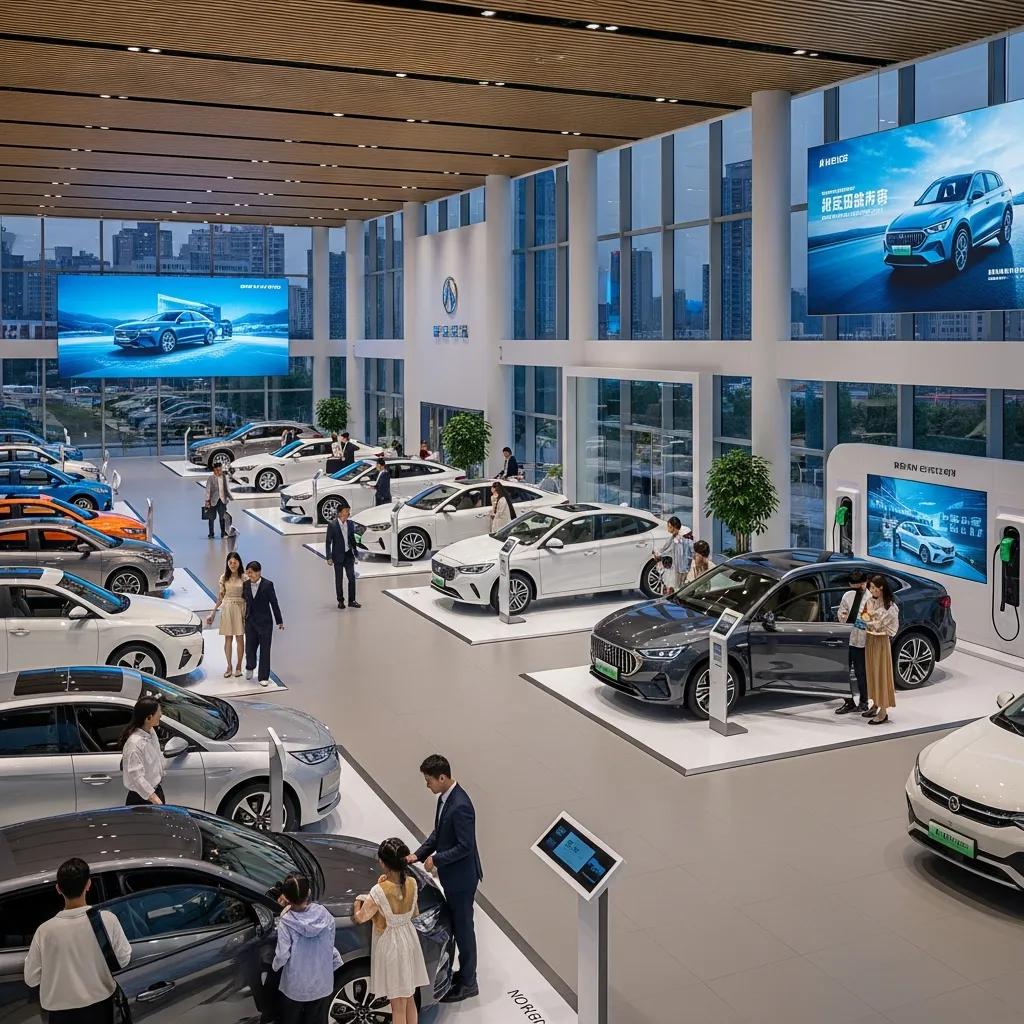
Wholesale Car Sales Growth in China's Vehicle Market
March 30, 2026
Industry information
Nissan and Infiniti recall 1.2 million vehicles
November 28, 2023

2023 BMW i7 Review: Smooth Operator, Tricky Technology
December 04, 2023
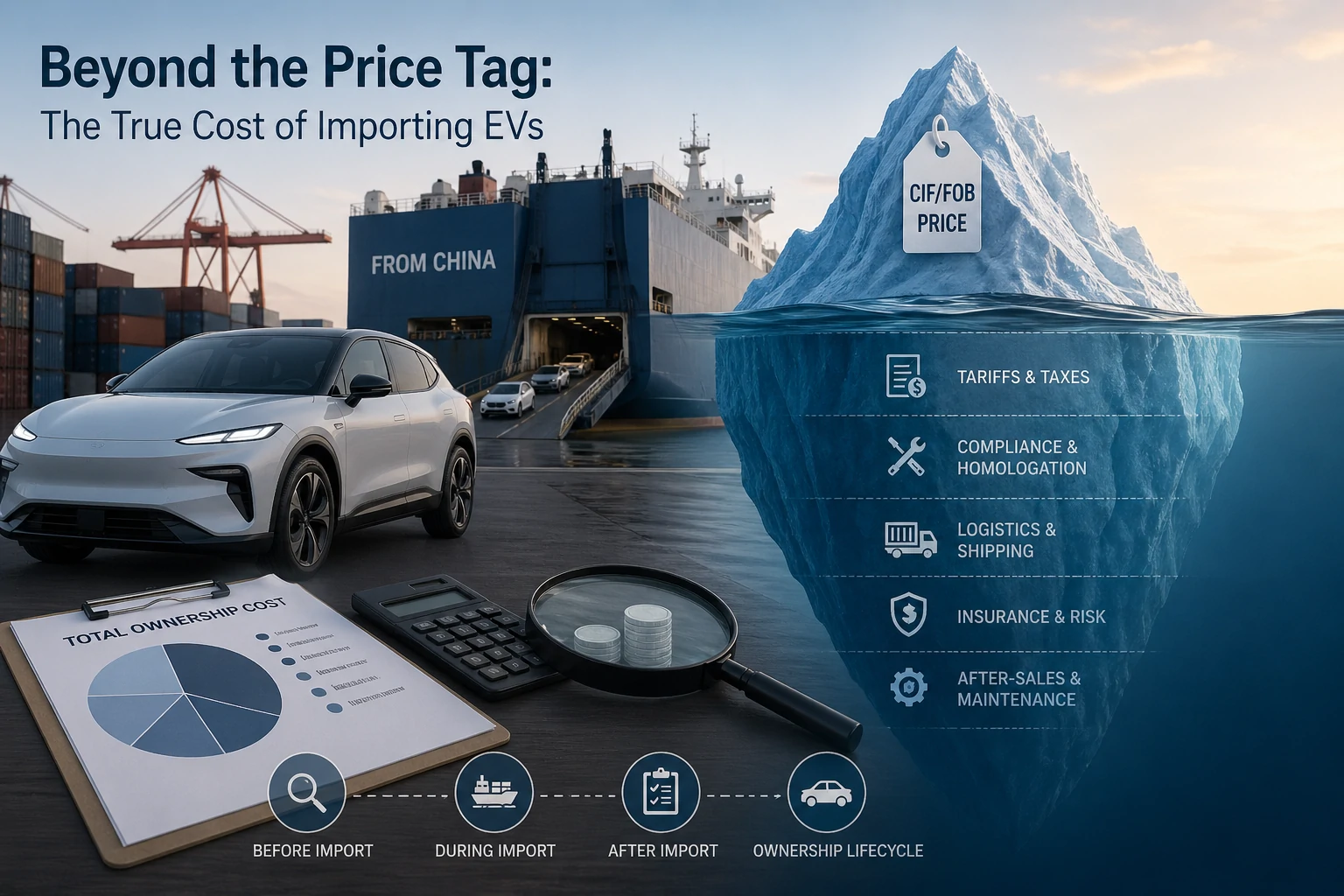
Hidden Costs of Importing EVs from China: What Buyers Often Overlook
April 30, 2026
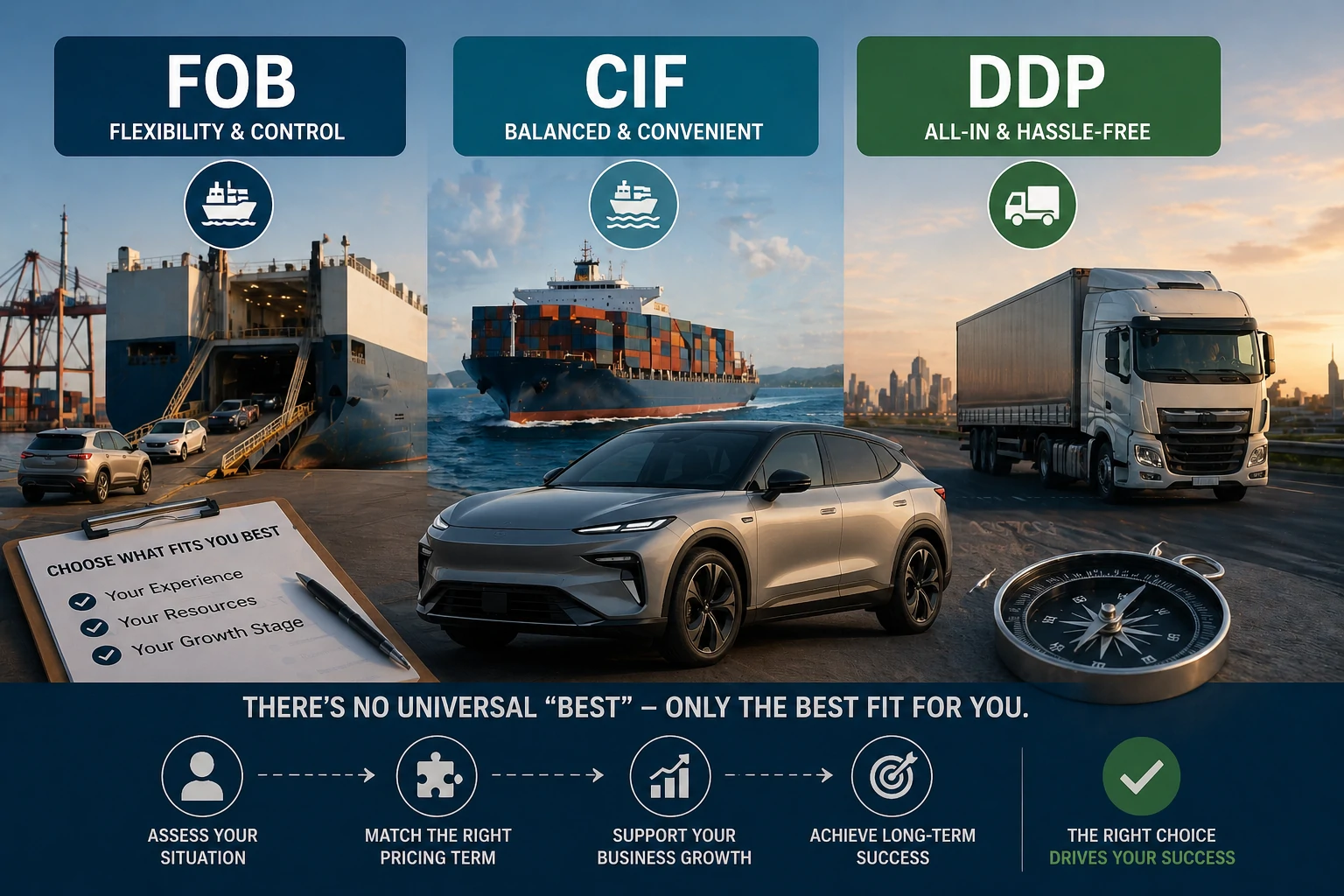
FOB vs CIF vs DDP in Car Export: Which Pricing Term Is Best for You
April 30, 2026

Meeting Along the Silk Road, Driving Toward the Future | Longchuang Automobile Appears at the Belt and Road Business Exchange Conference
May 15, 2026