 EN
EN fr
fr ha
ha nl
nl ru
ru hi
hi be
be he
he ar
ar az
az af
af vi
vi ja
ja th
th tr
tr de
de pt
pt es
es it
it sq
sq ko
ko tg
tg ky
ky rw
rw
Understanding China Car Quality Certification Benefits
Importing vehicles across borders is complex, especially when quality certifications are involved. China car quality certification gives international importers confidence that vehicles meet safety and environmental benchmarks. This guide clarifies what the certification covers, how the process works, and the practical benefits for buyers. Understanding these points helps importers reduce regulatory risk, streamline operations, and make better sourcing decisions. We outline the certification steps, key advantages, and which vehicle types require certification.
What Is China Car Quality Certification and Why Does It Matter?
China car quality certification is a mandatory process confirming exported vehicles meet defined safety and environmental standards. It verifies compliance with Chinese rules and, where relevant, the requirements of importing countries. Certification raises vehicle safety and eases customs clearance, lowering the chance of delays and fines during import.
Defining China Automotive Certification Process and Standards

The certification covers standards such as safety approvals, emission limits, and technical regulations. Manufacturers must submit documentation and subject vehicles to testing to confirm compliance. Meeting these rules protects consumers and supports a stable automotive market.
A critical component of these standards involves stringent vehicle emission control, which is intrinsically linked to fuel quality management and overall air quality.
China's Vehicle Emission Control & Fuel Quality Standards
Summarises the status of China’s fuel quality standards, fuel supply and vehicle emission control, and how fuel quality management affects air quality. Fuel quality management versus vehicle emission control in China, status quo and future perspectives, Y Wu
How Certification Ensures Vehicle Safety and Export Compliance
Certification requires vehicles to undergo testing for safety features and emissions, for example crash tests and emission measurements. This protects consumers and helps manufacturers avoid legal and regulatory problems. By meeting these standards, manufacturers can export with greater certainty that their vehicles satisfy safety and environmental requirements.
Indeed, meeting these rigorous international safety and emission standards is a critical hurdle, especially for manufacturers without established foreign partnerships.
Chinese Car Exports: Meeting International Safety & Emission Standards
Notes that companies keen to export often lack strong ties to foreign car producers and may therefore struggle to meet safety and emission standards. The rise of China's auto industry and its impact on the US motor vehicle industry
How Does the China Automotive Certification Process Work?
The certification process follows a defined sequence of steps designed to verify compliance with national standards. Manufacturers and importers need to understand this workflow so they can prepare the correct documents and tests.
Step-by-Step Guide to Obtaining Vehicle Export Certification in China
- Initial Requirements: Manufacturers must gather necessary documentation, including technical specifications and safety test results.
- Submission Process: Documentation is submitted to the relevant certification authority, such as the China Quality Certification Center (CQC).
- Testing and Evaluation: Vehicles undergo testing to verify compliance with safety and emission standards.
- Certification Issuance: After successful testing, the certification authority issues the certificates allowing the vehicles to be exported.
Key Certification Authorities and Their Roles in China
Multiple authorities oversee certification. The China Quality Certification Center (CQC) is the main body, while other organisations handle specific areas like emissions testing. Knowing each authority's role helps manufacturers navigate approvals more efficiently.
Further illustrating the complexity, various organizations contribute to establishing and maintaining quality management and standard setting within China's automotive sector.
Quality Management & Standard Setting in China's Automotive Sector
Describes the VDA QMC China's work in building quality management information and knowledge infrastructure, traces developments in Chinese automotive quality management, and highlights the role of VDA standards. It also outlines steps of regulation and standard setting by DPAC (SAMR), using recall management and the Sino‑German Working Group as examples.
What Are the Benefits of China Car Quality Certification for International Buyers?
China car quality certification delivers clear benefits to international buyers by making it easier to import vehicles that meet recognised quality and safety standards.
Need reliable, certified vehicles? Hnlaunchcar offers a selection that meets those needs.
Advantages of Certified Chinese Vehicles for Importers and Dealers

- Improved Compliance: Certified vehicles are more likely to meet the regulatory requirements of importing countries, reducing the risk of customs issues.
- Competitive Pricing: Certification can reduce costs by minimizing delays and penalties associated with non-compliance.
- Diverse Product Portfolio: Importers can access a wide range of certified vehicles, including sedans, SUVs, pickup trucks, and minivans to meet different market needs.
How Certification Facilitates Compliance with Chinese Vehicle Export Standards
Certification provides documented proof of adherence to safety and emission standards. That documentation supports customs clearance and helps avoid legal complications. Certified vehicles may also include warranties or guarantees, increasing their appeal to importers.
Which Vehicle Categories Require Specific Certification in China?
Vehicle categories in China have specific certification requirements that must be met before export. Manufacturers and importers should identify the rules that apply to each category.
Thinking of importing a pickup truck? Check the specific certification requirements for that category.
Certification Requirements for Sedans, SUVs, Pickup Trucks, and Minivans
Each category has distinct certification criteria. Sedans, SUVs, pickup trucks, and minivans can face different safety and technical requirements, so manufacturers must understand those differences to ensure compliance and smooth exports.
How Vehicle Type Affects Export Documentation and Compliance
Vehicle type determines the export documents and tests required. Larger vehicles like SUVs may need additional safety testing compared with smaller sedans. Proper planning and accurate documentation are necessary to meet both Chinese and international regulations.
Frequently Asked Questions
What are the costs associated with obtaining China car quality certification?
Costs vary by vehicle type, process complexity, and required tests. Budget for testing fees, documentation preparation, and possible consultancy. There may also be ongoing compliance costs. Consult certification authorities or industry experts for a tailored estimate.
How long does the certification process typically take?
Timing can range from a few weeks to several months, depending on documentation completeness, vehicle type, and testing capacity. Prepare for possible delays if extra testing or paperwork is needed. Early engagement with authorities can help speed the process and provide a clearer timeline.
Are there any exemptions from certification for certain vehicle types?
Most vehicles require certification, though some types—e.g., certain agricultural vehicles or low-speed electric vehicles—may be exempt under specific local rules. Manufacturers and importers should verify current regulations with the relevant authorities to confirm any exemptions.
What role do third-party testing organizations play in the certification process?
Third-party testing organisations perform independent evaluations to confirm vehicles meet safety and emission standards. Their unbiased results inform certification decisions and help identify compliance issues early. Using reputable third-party testers can strengthen a certification application.
How can international buyers verify the authenticity of a vehicle's certification?
Buyers can check certification numbers and details against records held by authorities like the China Quality Certification Center (CQC), many of which offer online databases. Also request the full certification documents from the seller and confirm they are current and complete.
What are the implications of non-compliance with certification standards?
Non-compliance can lead to customs refusal, delays, fines, or confiscation. Manufacturers and importers may face legal liability, reputational harm, and loss of market access. Compliance is critical for smooth importation and maintaining consumer trust.
Hot News

Nissan and Infiniti recall 1.2 million vehicles
November 28, 2023

Best Wholesale Cars From China for Your Business
February 03, 2026

Discover Cheap Cars for Import From China
February 09, 2026

Bulk Purchase Benefits of Chinese Vehicles Explained
February 19, 2026
Bulk Car Suppliers in China: What You Need to Know
February 23, 2026
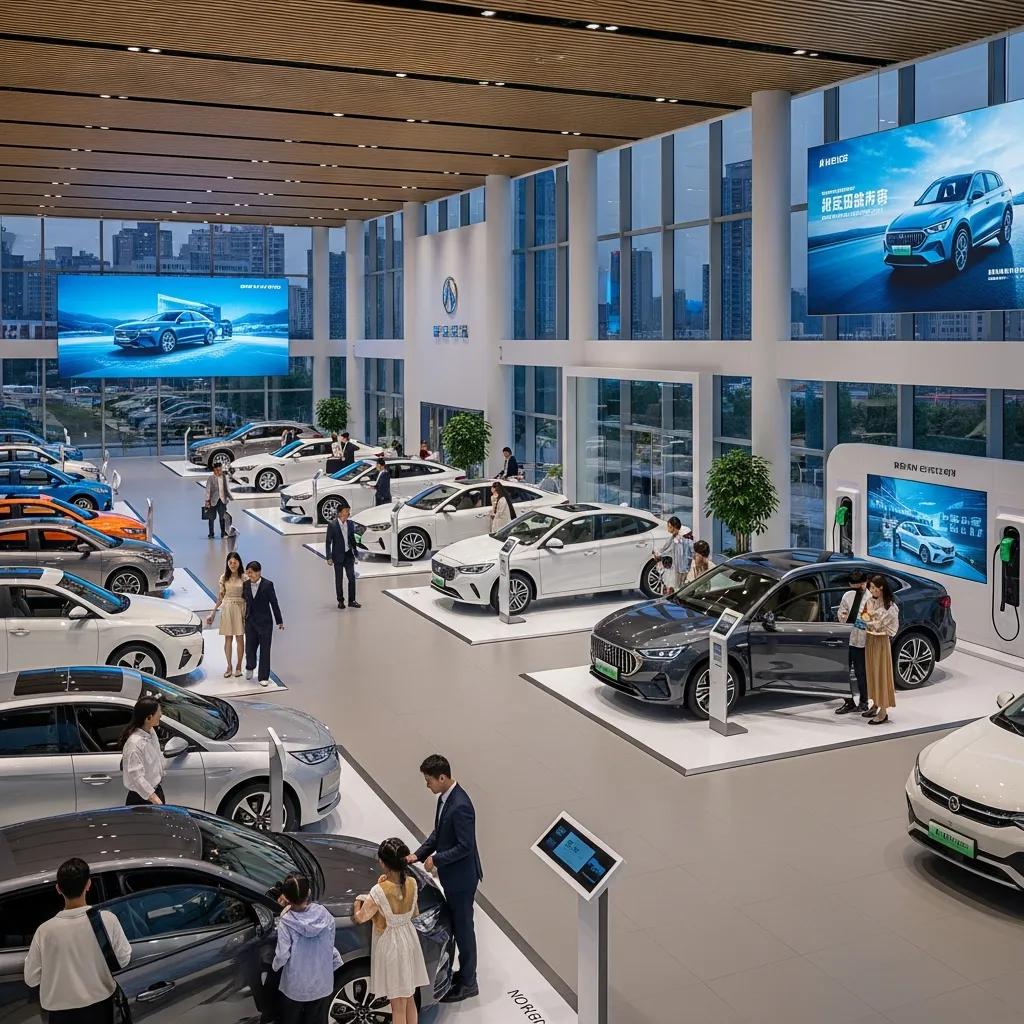
Wholesale Car Sales Growth in China's Vehicle Market
March 30, 2026
Industry information
Nissan and Infiniti recall 1.2 million vehicles
November 28, 2023

2023 BMW i7 Review: Smooth Operator, Tricky Technology
December 04, 2023
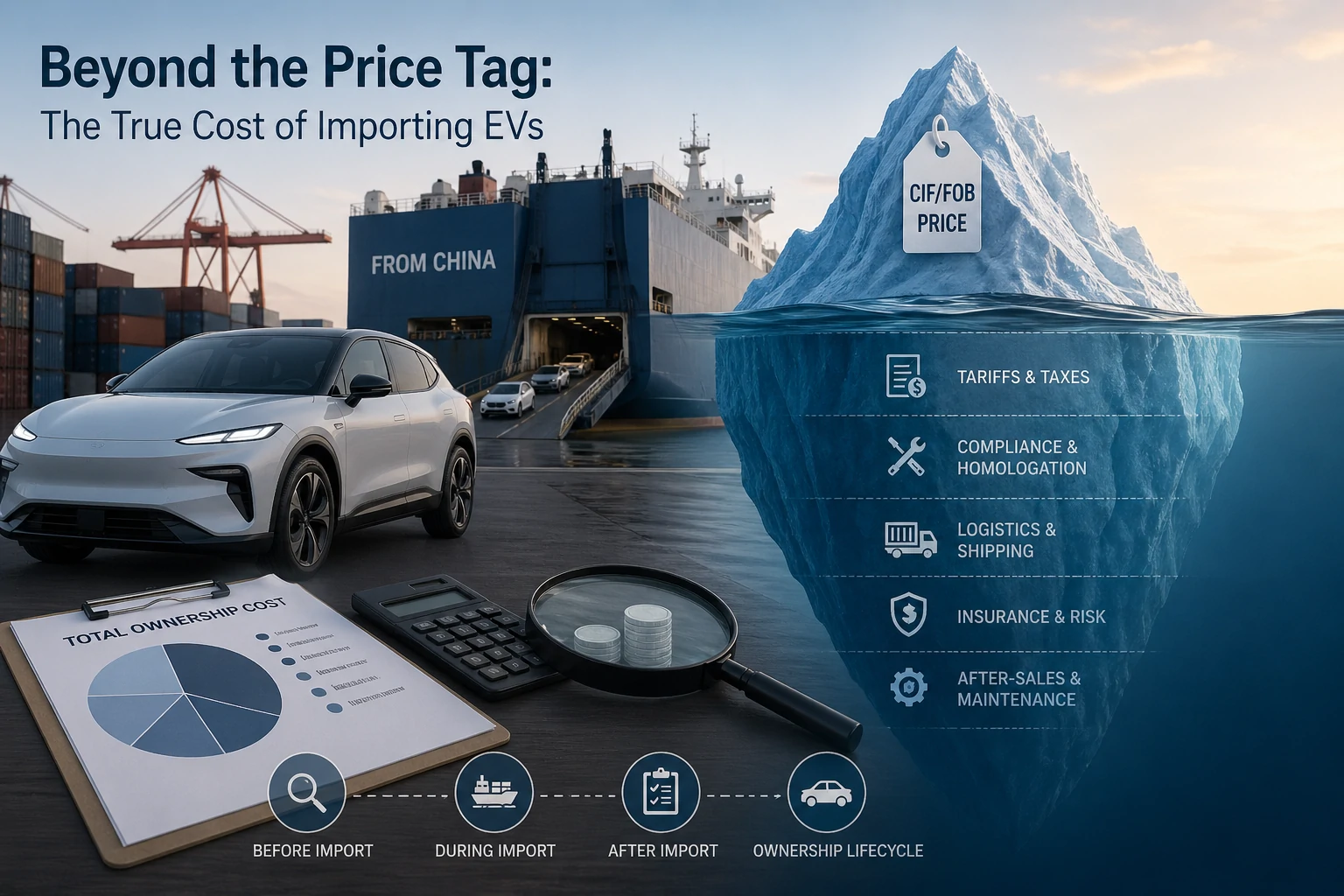
Hidden Costs of Importing EVs from China: What Buyers Often Overlook
April 30, 2026
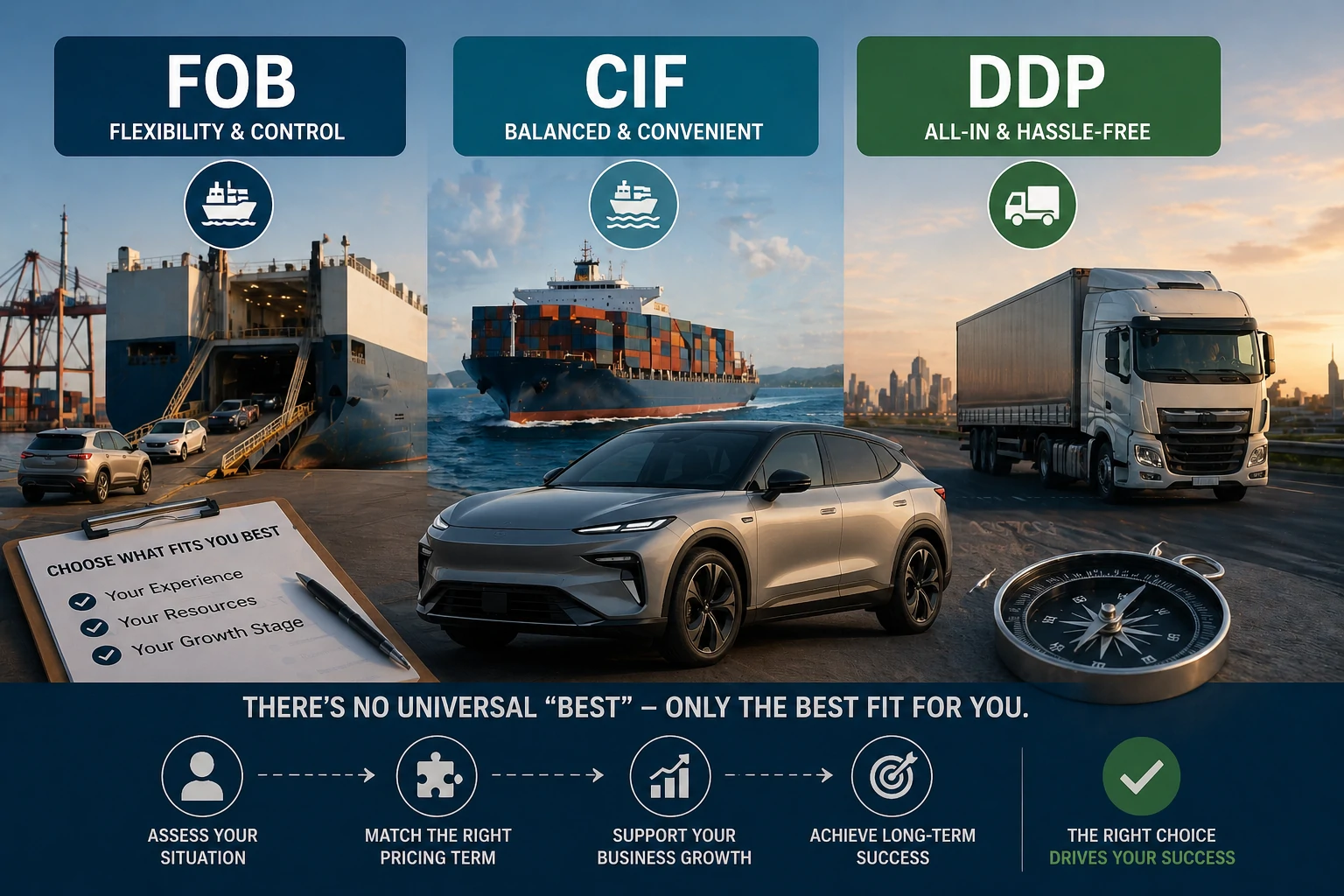
FOB vs CIF vs DDP in Car Export: Which Pricing Term Is Best for You
April 30, 2026

Meeting Along the Silk Road, Driving Toward the Future | Longchuang Automobile Appears at the Belt and Road Business Exchange Conference
May 15, 2026